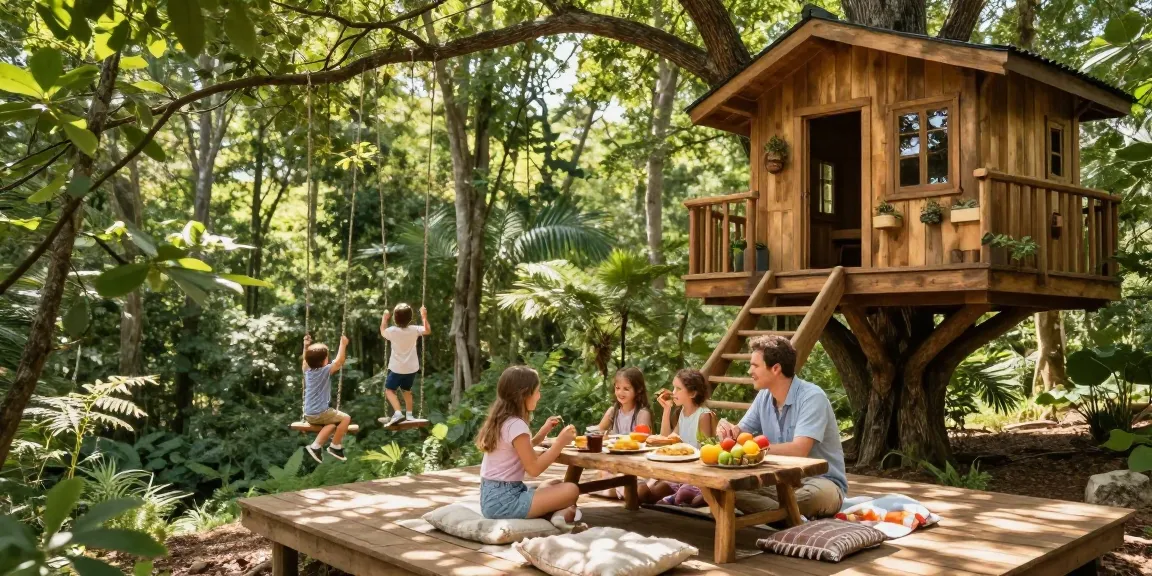
The Evolution of Tree House Life: A 2026 Perspective
Tree houses have evolved beyond the childhood dreams of climbing high into the branches; they now represent a lifestyle that blends adventure with sustainability. In 2026, the concept of living in a tree house has taken on new dimensions, appealing to those who seek a life intertwined with nature while enjoying modern amenities. As society continues to grapple with urbanisation and environmental issues, tree house living offers a unique solution that allows individuals and families to reconnect with the natural world. When exploring options, tree house life can provide comprehensive insights into designing a home that melds creativity and eco-friendliness.
Historical Significance of Tree Houses
Historically, tree houses have served various purposes, from simple play areas for children to retreats for adults seeking solitude. Their origins can be traced back centuries, with variations found in cultures around the world. For instance, indigenous tribes in the Amazon Basin constructed homes high in trees to evade flooding and predators. Over time, their utility expanded to encompass artistic expression and community bonding, showcasing the ingenuity of human interaction with nature. Today, this historical significance is embraced in modern designs that pay homage to traditional craftsmanship while incorporating new technology.
Modern Trends in Tree House Design
The design of tree houses in 2026 reflects a harmonious blend of aesthetics and practicality. Contemporary tree houses often feature spacious layouts, large windows for panoramic views, and eco-friendly materials that enhance their sustainability. Trends also indicate a rise in multi-level structures that maximise space while offering various functionalities, such as workspaces or leisure areas. Furthermore, the integration of renewable energy solutions, such as solar panels, is becoming a standard consideration in modern tree house designs.
Designing Your Dream Tree House: Best Practices
Designing a tree house can be an exhilarating project, but it requires careful planning and consideration of multiple factors to ensure safety and longevity. First and foremost, choosing the right location is crucial. A tree that is healthy and has a strong, deep root system can provide stability for decades, while being situated away from potential hazards such as local wildlife or heavy winds can minimise risks.
Choosing the Right Location for Your Tree House
The site selection process involves more than just finding the tallest tree; it should incorporate factors like sunlight exposure, accessibility, and proximity to other amenities. Ideal locations often include trees that provide a natural canopy for shade while being positioned to capture the beauty of surrounding landscapes. Additionally, incorporating a sweeping view can enhance the overall experience of tree house living.
Materials That Enhance Tree House Durability
Durability is a top concern for anyone contemplating tree house construction. Selecting the right materials is essential for ensuring that the structure withstands the elements over time. Treated lumber, for example, is known for its resistance to moisture and pests, making it a common choice for flooring and walls. Alternative materials, such as recycled plastics and eco-friendly composites, are also gaining popularity due to their environmental benefits and longevity.
Incorporating Sustainable Practices in Tree House Building
As the world becomes more eco-conscious, tree house builders are increasingly adopting sustainable practices. This includes using materials sourced from sustainable forests, minimising waste during construction, and implementing water conservation systems. Collecting rainwater for irrigation and installing composting toilets are examples of how tree houses can operate sustainably. Such practices not only benefit the environment but can also enhance the living experience through self-sufficiency.
Tree House Life: Connecting with Nature
Living in a tree house encourages a profound connection with nature, allowing residents to immerse themselves in the environment. This lifestyle promotes well-being and tranquillity, often leading to significant emotional and physical benefits.
The Health Benefits of Living Among the Trees
Research shows that spending time in nature can enhance mental health, reduce stress levels, and boost overall happiness. Tree house living offers a unique opportunity to experience these benefits daily. The natural surroundings promote physical activity through hiking, climbing, and exploring, which contribute to a healthier lifestyle. Additionally, being surrounded by greenery can improve air quality, further enhancing health and well-being.
Activities to Enjoy in Your Tree House Retreat
A tree house can serve as a multifunctional space, providing opportunities for various activities that foster creativity and relaxation. Here are some engaging activities to enjoy:
- Nature Observation: Enjoy birdwatching or stargazing from your elevated vantage point.
- Gardening: Create a garden or plant herbs that can thrive in your tree house environment.
- Artistic Pursuits: Use the inspiring views to paint, write, or engage in other creative hobbies.
- Family Activities: Host game nights or storytelling sessions with loved ones, creating lasting memories.
Creating a Wildlife-Friendly Environment
A tree house can also be designed to support local wildlife, creating a harmonious environment. Features such as bird feeders, butterfly gardens, and native plantings can attract various species. Incorporating these elements not only enriches the natural ecosystem but also provides educational opportunities for children to learn about nature and conservation.
Challenges in Tree House Construction and Maintenance
While the idea of residing in a tree house is enchanting, it does come with its own set of challenges. Awareness and preparation are essential for overcoming potential obstacles.
Understanding Local Regulations and Permits
One significant challenge faced by prospective tree house builders is navigating local regulations and permits. Depending on the location, there may be specific zoning laws that dictate how and where tree houses can be built. It is vital to research local building codes and secure the necessary permits to ensure compliance and avoid future complications.
Dealing with Weather-Related Wear and Tear
Weather can have a profound impact on a tree house’s longevity. Regular maintenance, such as inspecting the structure for damage and replacing worn materials, is crucial in prolonging its life. Understanding the weather patterns in your area can inform design decisions, ensuring the tree house is equipped to handle the elements effectively.
Common Misconceptions about Tree House Living
Many myths surround the concept of tree house living. One common misconception is that tree houses are only suitable for children or temporary use. However, with modern design techniques and proper construction, tree houses can serve as permanent residences equipped with all necessary amenities, including plumbing and electricity. Furthermore, some believe that living in a tree house is unsafe, but when properly built and maintained, these structures can be remarkably secure.
Future Trends: What’s Next for Tree House Life?
As tree house living continues to gain popularity, several trends are shaping the future of this unique lifestyle. Innovations in design and construction techniques are helping to establish tree houses as viable options for modern living.
Innovative Technologies in Tree House Construction
The fusion of technology and eco-friendly practices is becoming increasingly prevalent in tree house construction. Innovations such as prefabricated components allow for quicker builds with less environmental disruption. Additionally, smart home technologies are being integrated into tree houses, enabling residents to manage lighting, heating, and security directly from their devices.
Predictions for Tree House Communities
Looking ahead, we can anticipate the rise of tree house communities that reflect a shared commitment to sustainable living. These communities may feature interconnected tree houses that foster social interaction while maintaining a close relationship with nature. Shared resources, such as communal gardens and recreational areas, could further enhance the sense of community among residents.
How Tree House Life Will Influence Family Dynamics
Tree house living has the potential to reshape family dynamics by encouraging closer connections among family members. Living in a unique, shared space can foster teamwork and collaboration, as families work together to maintain their tree house and enjoy activities in nature. This lifestyle shift could lead to stronger family bonds and a deeper appreciation for the environment.
What is the lifespan of a tree house?
The lifespan of a tree house can vary significantly based on materials used, construction methods, and maintenance practices. With proper care, a well-built tree house can last several decades, offering years of enjoyment and connection to nature.
Can you live in a tree house year-round?
Yes, with modern design practices and appropriate insulation, it is possible to live in a tree house year-round. Incorporating features like central heating or air conditioning allows for comfortable living regardless of the season.
What materials are best for building a tree house?
Durable, weather-resistant materials are the best choices for building a tree house. Treated wood, metal roofing, and eco-friendly composites contribute to a long-lasting structure that withstands environmental challenges.