Understanding the Concept of Age Estimation in Beauty
The quest to determine how old one appears has intrigued humanity for ages. Age estimation, particularly in the beauty industry, combines cultural perceptions of beauty with technological advancements to offer insights into how we perceive our own youthfulness. As society continues to evolve, so do the standards of beauty; achieving a youthful appearance has become synonymous with vitality, desirability, and often, social acceptance. Tools and technologies allowing people to engage with these standards have made significant waves in recent years, contributing to a narrative focused on youth.
When exploring options, how old do i look provides comprehensive insights into facial analysis through innovative age estimation tools. These advancements not only serve personal curiosity but are also shaping the way beauty standards are discussed and considered.
What is Age Estimation in Beauty?
Age estimation in beauty refers to the process of evaluating how old an individual appears, often based on visual cues such as facial features, skin quality, and overall appearance. This concept is pivotal in the beauty industry, where youthful aesthetics are often equated with beauty and desirability. The art and science of age estimation have been harnessed by various beauty brands and tech companies to cater to consumer needs, offering products and services that promote age-defying qualities.
The Role of Technology in Age Estimation
With the integration of artificial intelligence (AI) and machine learning, technology plays a crucial role in age estimation. Advanced algorithms analyze images to assess various factors that contribute to perceived age, such as wrinkles, skin texture, and the presence of fine lines. Companies are now utilizing these technologies to develop apps and online platforms that provide users with instant age assessments based on photographs.
Impact of Peer Perception on Beauty Standards
Peer perception significantly influences how individuals view beauty and age. Social norms often dictate that youth is desirable, impacting self-esteem and confidence among different demographics. Platforms that allow users to assess their perceived age can create a feedback loop; users may compare their results with friends or social media influencers, further reinforcing cultural standards of beauty.
How AI Technology is Transforming Age Perception
AI Tools for Facial Analysis: How Do They Work?
AI-driven age estimation tools employ facial recognition technology to analyze a variety of facial features and markers. These tools utilize large datasets compiled from diverse age groups and skin types to understand the nuances of aging. By recognizing patterns and correlating them with biological age, these applications can provide a fairly accurate estimate of how old someone appears.
Case Studies: Brands Using AI for Age Estimation
Several brands have successfully integrated AI age estimation technology into their marketing strategies. Beauty companies are partnering with tech firms to create personalized skincare solutions based on age assessments. For example, a skincare brand may use this technology to recommend products tailored to an individual’s perceived age, thus enhancing the consumer experience.
The Accuracy of AI: What Users Should Know
While AI age estimation tools have shown impressive capabilities, users should be aware of their limitations. Factors such as lighting, photo quality, and facial expressions can affect the accuracy of age assessments. Therefore, while these tools can be fun and engaging, they should not be viewed as definitive indicators of one’s true age.
Consumer Trends in Age Estimation Tools
Popularity of Age Estimation Apps Among Millennials
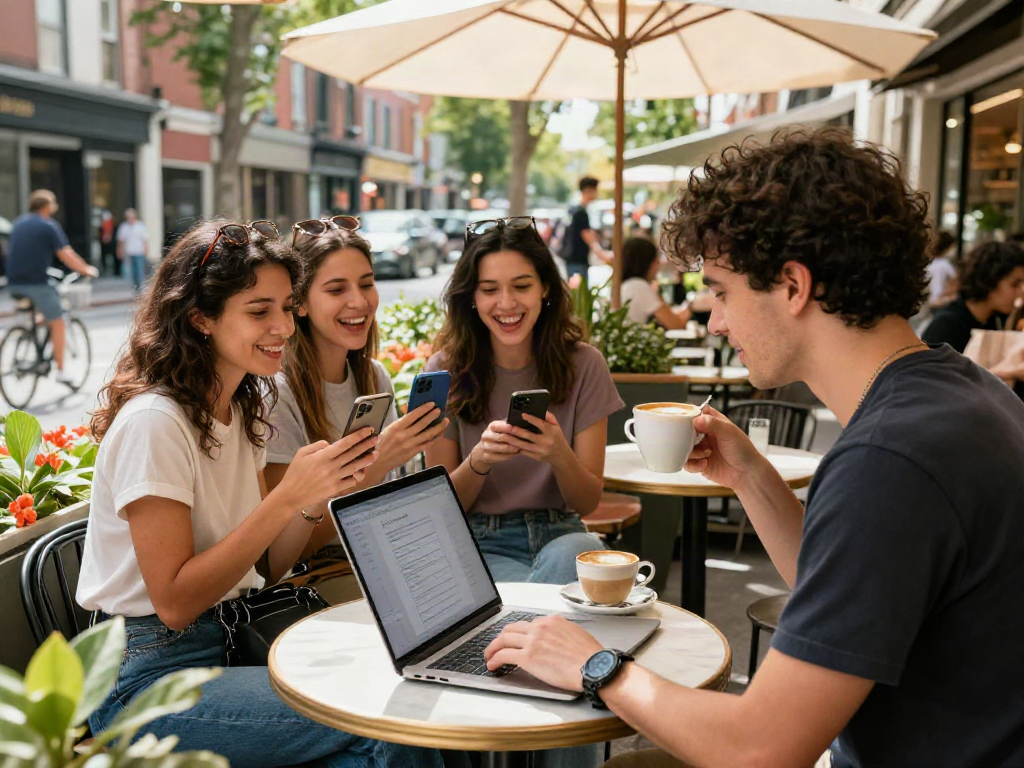
Millennials and younger generations are driving the popularity of age estimation apps. This demographic values transparency and self-discovery, often using these tools for entertainment and self-assessment. As personal branding becomes crucial on social media, being aware of one’s perceived age can influence how individuals present themselves online.
Impact of Social Media on Age Perception
Social media platforms have created a culture where images are scrutinized, and youthfulness is celebrated. Influencers often portray idealized versions of themselves, which can skew public perception of age and beauty. Age estimation tools can serve as a counterbalance, giving users a reality check against unrealistic beauty standards propagated online.
Privacy Concerns with Facial Recognition Technology
As with any technology that involves personal data, privacy concerns are paramount. Users often wonder what happens to the images they upload for age estimation. Companies must prioritize transparency regarding data usage and ensure that user privacy is protected, promoting ethical practices in the age estimation sector.
Best Practices for Using Age Estimation Tools
How to Effectively Use Age Estimation Apps
To maximize the effectiveness of age estimation apps, users should ensure they take high-quality photos in consistent lighting. Following the instructions provided by the app can also lead to more accurate results. Understanding that these tools are meant for entertainment rather than serious evaluation is crucial for a positive user experience.
Understanding Results: Interpret Your Age Estimation
When interpreting age estimation results, it’s important to consider the context. A result indicating that one appears significantly younger or older than their actual age can be influenced by factors such as health, lifestyle choices, and even genetics. Users should view these findings as a fun conversation starter rather than a definitive assessment of beauty.
Real Beauty: Balancing Age Perception with Self-Acceptance
In a culture obsessed with youth, pursuing self-acceptance becomes essential. Understanding one’s unique beauty, irrespective of perceived age, can lead to increased confidence and satisfaction. Celebrating individuality and redefining beauty standards outside the confines of youth can foster a healthier relationship with aging.
Future of Age Estimation in Beauty and Beyond
Emerging Trends in AI and Beauty Technology
As technology advances, the future of age estimation looks promising. Emerging trends include personalized beauty solutions that adapt as users age. Companies are likely to develop more nuanced algorithms that take into account lifestyle factors, enabling people to receive tailored advice not just on appearance but on wellness.
Predictions for the Next Decade in Beauty Standards
The next decade may bring a shift toward inclusivity in beauty standards, challenging the traditional norms of youthfulness. With a growing emphasis on real beauty, older demographics may find themselves more celebrated across social media and marketing campaigns, further influencing perceptions of age.
Consumer Demand: Shaping the Future of Age Estimation Tools
Consumer demand will ultimately dictate the future landscape of age estimation tools. As users become more discerning, companies will need to prioritize accuracy, ethics, and transparency in their products. Brands that can effectively engage consumers while addressing their concerns will thrive in this evolving market.
What technologies are used in age estimation?
Age estimation technologies often employ artificial intelligence, machine learning, and deep learning algorithms to analyze facial features. These tools are trained on extensive datasets to identify patterns and make estimations based on visual data.
How accurate are AI age estimation tools?
The accuracy of AI age estimation tools can vary based on several factors, including lighting, image quality, and user input. While many tools provide reasonably accurate estimates, they should be used as fun estimates rather than absolute truths.
What factors influence how old I look?
Several factors contribute to perceived age, including skin condition, lifestyle choices, stress, and genetics. Additionally, societal standards and personal style can impact how one's age is perceived by others.
Are there privacy concerns with using age estimation apps?
Yes, privacy concerns are prevalent when using age estimation apps. Users should be cautious about where they upload personal images and ensure that their data is handled responsibly by the app providers.
How is age estimation changing beauty perceptions?
Age estimation tools are shifting beauty perceptions by encouraging discussions about the realities of aging and beauty standards. These tools provide a platform for individuals to explore their unique characteristics, fostering a more inclusive definition of beauty.