Understanding Urban Lifestyle Trends
As we navigate the complexities of modern life, urban environments are becoming increasingly central to our existence. The urban lifestyle is not just about living in a city; it's a dynamic, ever-evolving concept that incorporates various elements such as culture, community, technology, and sustainability. Understanding urban lifestyle trends is essential for anyone looking to thrive in these vibrant settings. For those seeking insights and tips, click here to explore valuable resources and guidance.
What Defines Urban Lifestyle?
Urban lifestyle can be defined by a synergy of elements that shape the way individuals live, work, and interact in metropolitan areas. It encompasses everything from housing and transportation patterns to social behaviors and cultural practices. Urbanites often value convenience, diversity, and accessibility, favoring experiences that reflect the rich tapestry of city life.
Key Factors Influencing Urban Living
Several key factors play a critical role in shaping urban living standards. These include:
- Population Density: High population density leads to a unique social fabric and community dynamics.
- Technological Advancements: Innovations in technology enhance connectivity and convenience, impacting how residents interact and access services.
- Economic Opportunities: Cities typically offer greater job opportunities, attracting diverse populations seeking career advancement.
- Sustainability Concerns: As climate change becomes more pressing, urban residents are increasingly opting for eco-friendly living solutions.
Popular Urban Lifestyle Trends in 2026
As we look towards 2026, several emerging trends are redefining urban lifestyles:
- Smart Cities: The integration of IoT devices and smart technologies is revolutionizing urban infrastructure and daily living.
- Health and Wellness Focus: Urban dwellers are prioritizing mental and physical well-being, leading to an increase in wellness facilities and outdoor spaces.
- Remote Work Expansion: Working from home is becoming more accepted, further blurring the lines between work and leisure.
- Cultural Fusion: Cities are becoming melting pots of different cultures, fostering an environment for innovation and creativity.
Adapting Fashion Choices to Urban Environments
With urban life comes the ongoing challenge of fashion adaptability. The right clothing not only reflects personal style but also enhances comfort and functionality in a fast-paced city environment.
Essential Wardrobe Staples for City Life
When curating a city wardrobe, certain staples can make a significant difference:
- Versatile Footwear: Comfortable yet stylish shoes are essential for navigating city streets.
- Layering Pieces: Urban weather can be unpredictable; layers allow for easy transitions throughout the day.
- Functional Outerwear: A good quality, waterproof jacket can provide protection from the elements.
- Statement Accessories: Unique bags and jewelry can elevate simple outfits and express personal style.
How to Accessorize for Urban Settings
Accessorizing in urban settings requires a keen sense of practicality and style. Opt for:
- Multi-functional Bags: Choose bags that are stylish yet practical for daily use, allowing you to carry essentials comfortably.
- Layered Jewelry: Stacking rings and necklaces can add dimension and flair to any outfit without being overwhelming.
- Smart Accessories: Consider tech-enabled accessories that blend fashion with function, such as smartwatches and fitness trackers.
Embracing Sustainable Fashion in the City
As awareness around environmental issues rises, more urban dwellers are turning to sustainable fashion choices. This includes:
- Thrift Shopping: Sourcing unique pieces from second-hand stores can reduce waste and promote recycling.
- Local Designers: Supporting local fashion designers helps reduce carbon footprints and strengthens community economies.
- Eco-friendly Fabrics: Opting for clothing made from organic or recycled materials can minimize environmental impact.
Exploring Urban Spaces and Community
Community plays a vital role in enriching urban lifestyles, fostering connections among residents and promoting a sense of belonging.
The Role of Community in Urban Lifestyle
Urban communities encourage collaboration and social interaction, which are crucial for personal and collective well-being. Engaging with local groups, attending events, and participating in city initiatives can enhance your urban experience.
Top City Locations for Social Engagement
Here are some notable locations in urban areas known for their vibrant social engagement:
- Parks and Recreation Areas: Green spaces offer an escape and a gathering place for communities.
- Community Centers: These hubs often provide activities and resources for residents of all ages.
- Cultural Hotspots: Museums, theaters, and galleries encourage cultural exchange and appreciation.
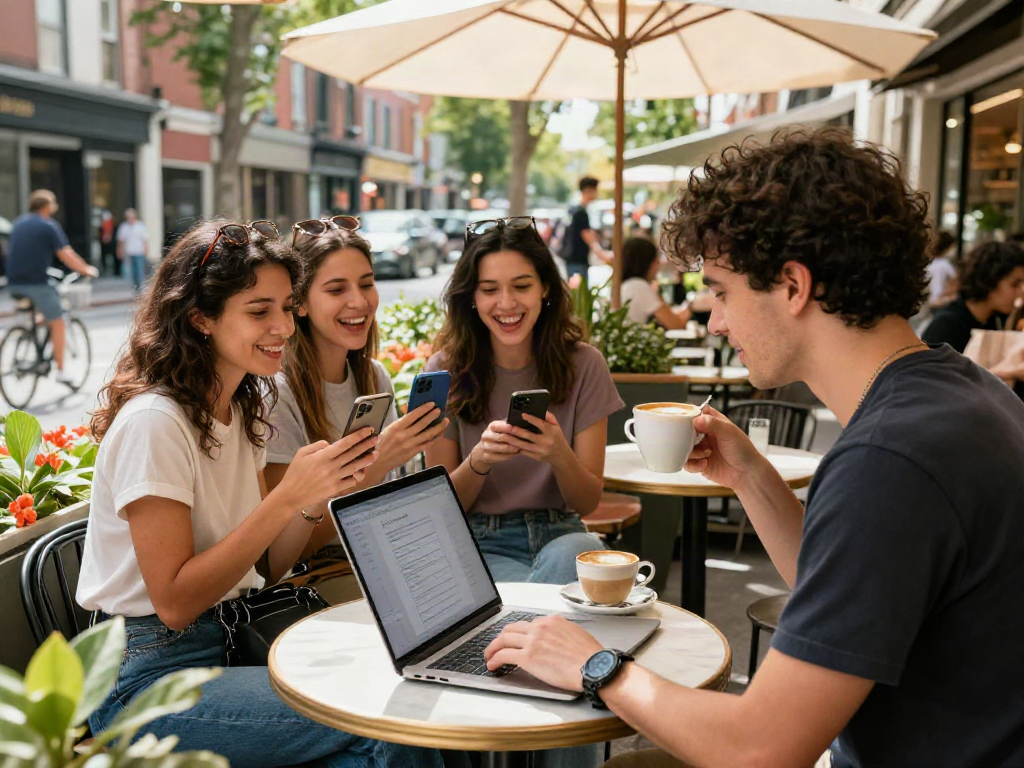
- Cafés and Co-working Spaces: These venues serve as informal meeting spots for networking and collaboration.
How Urban Spaces Enhance Creativity
Urban environments can significantly stimulate creativity through exposure to diverse ideas and cultures. Access to art installations, public performances, and creative workshops can inspire individuals and communities alike.
Balancing Productivity and Leisure in the City
Finding a balance between work and leisure in urban settings is essential for overall well-being and productivity.
Creating a Productive Home Office Environment
A well-designed home office can greatly enhance productivity. Consider these tips:
- Ergonomic Furniture: Investing in comfortable furniture can improve focus and reduce fatigue.
- Minimized Distractions: Establishing a dedicated workspace can help separate work from personal life.
- Natural Light: Position your workspace near windows for natural lighting, which can improve mood and efficiency.
Best Practices for Work-Life Balance
Strategies to maintain work-life balance include:
- Set Boundaries: Clearly define work hours to avoid work-life overlap.
- Schedule Breaks: Regular breaks can recharge energy and enhance productivity.
- Pursue Hobbies: Engaging in leisure activities can foster creativity and reduce stress.
Urban Leisure Activities to Boost Wellbeing
Incorporating leisure activities into your urban routine can boost overall well-being. Here are some suggestions:
- Outdoor Yoga Classes: Practicing yoga in parks can enhance your connection with nature while improving health.
- Local Festivals: Attend cultural festivals to experience community spirit and diverse practices.
- Art Walks: Exploring local art installations can inspire creativity and appreciation for urban aesthetics.
Future Trends in Urban Living
As we look into the future, new technologies and design philosophies will continue to shape urban living.
Emerging Technologies Impacting Urban Life
Technologies set to impact urban life include:
- Smart Transportation: Innovations like autonomous vehicles and real-time public transit tracking are changing how we navigate cities.
- Sustainable Energy Solutions: Increasing reliance on renewable energy sources will reduce urban carbon footprints.
- Data-Driven City Management: Utilizing data analytics can enhance urban planning and resource allocation.
Predictions for Urban Lifestyle Evolution by 2026
By 2026, urban lifestyles are predicted to be more integrated with technology, focusing on sustainability and community engagement. Expect to see:
- Increased Remote Work Opportunities: A shift towards more flexible job structures will redefine traditional workspace boundaries.
- Innovative Housing Solutions: Vertical gardens and eco-friendly homes will become more prevalent.
- Enhanced Public Spaces: Cities will invest in multifunctional public spaces that promote health and social interaction.
How Urban Design Will Shape Future Living
Urban design will play a crucial role in future living conditions by prioritizing accessibility, sustainability, and community. Expect developments that not only cater to residents' practical needs but also foster a sense of community and connection to the environment.