Understanding Equipment Transportation Needs
In the modern landscape of logistics, the precise management of equipment transportation is a pivotal aspect that businesses must navigate. The need to transport heavy machinery, tools, and other diverse equipment arises across various industries, from construction to agriculture. Understanding the nuances of these needs helps ensure that equipment is delivered safely and efficiently while minimizing costs and operational downtime.
Types of Equipment Transported
Equipment transportation encompasses a wide range of machinery and tools, including:
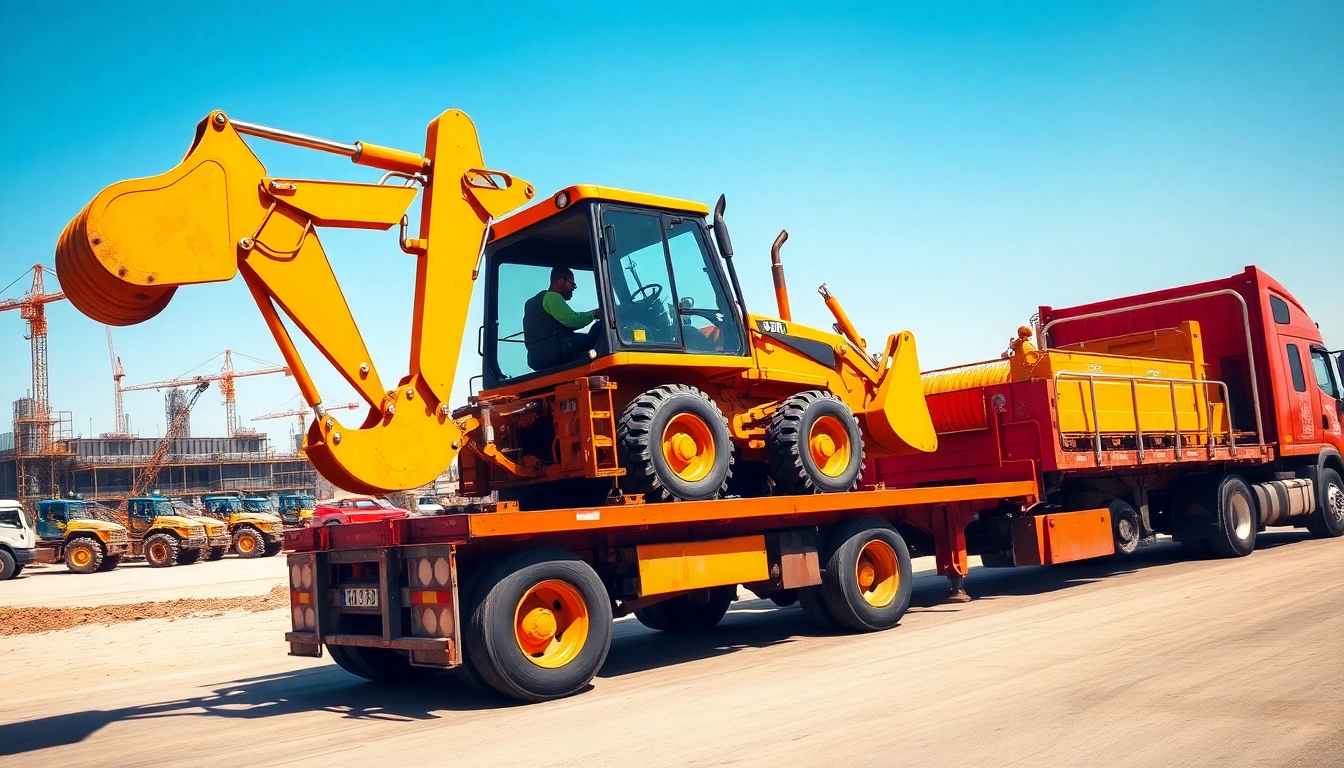
- Heavy Construction Equipment: Excavators, bulldozers, and cranes.
- Agricultural Machinery: Tractors, plows, and harvesters.
- Industrial Equipment: Generators, compressors, and conveyors.
- Commercial Vehicles: Trucks, vans, and trailers.
- Specialized Equipment: Medical devices, printing machines, and data center infrastructure.
Each equipment type has unique handling requirements based on size, weight, and operational standards, which necessitates a tailored approach to transportation.
Common Challenges in Equipment Transportation
Transporting equipment comes with its own set of challenges that can impact timelines and costs. Some of these challenges include:
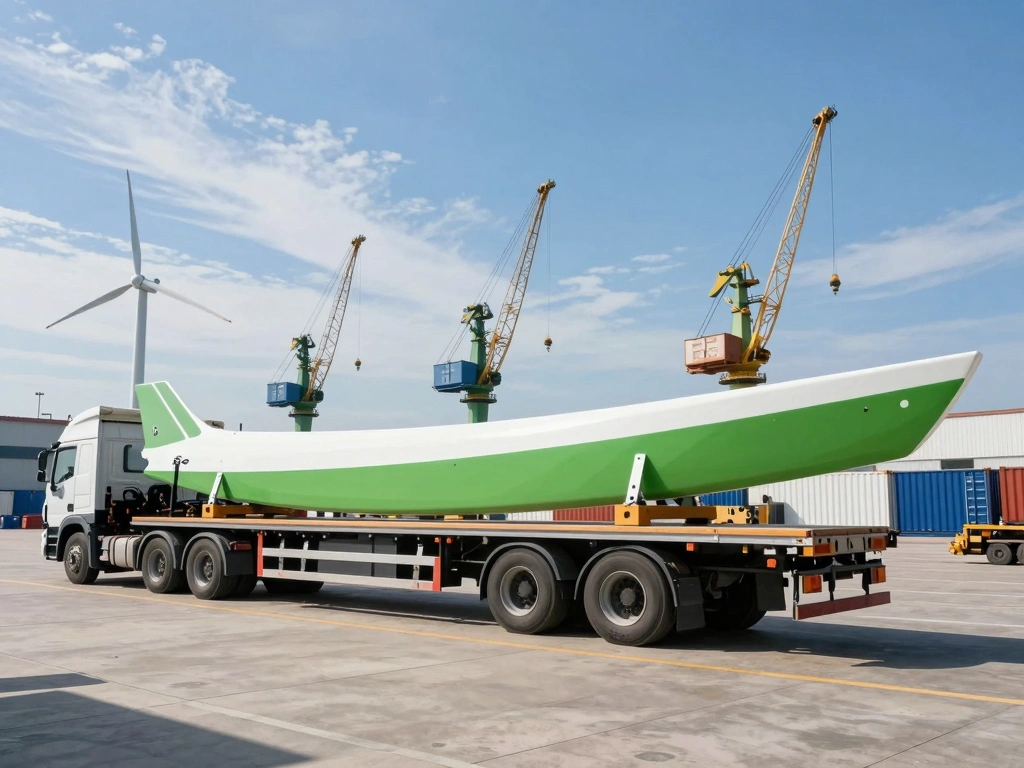
- Oversized Loads: Moving heavy and large machinery often requires special permits and careful route planning due to road size restrictions.
- Weather Conditions: Adverse weather can delay transportation schedules and affect safety.
- Geographical Constraints: Navigating through urban areas or mountainous regions can complicate logistics and increase costs.
- Regulatory Issues: Compliance with local and federal transportation laws can be intricate and time-consuming.
- Equipment Damage: There is always a risk of equipment damage during transit without proper securement and handling.
Factors Influencing Cost and Logistics
Several factors play a significant role in determining the cost and logistics of equipment transportation:
- Distance: Costs increase with the distance traveled due to fuel and labor expenses.
- Type of Equipment: Heavier or oversized loads require specialized transport vehicles, affecting pricing.
- Insurance: Adequate insurance to cover potential damages during transit can add to overall costs.
- Time Sensitivity: Urgent deliveries may incur additional charges due to expedited service needs.
- Route Complexity: Takes into account tolls, road conditions, and construction detours.
Essential Equipment Transportation Methods
Various transportation methods are available, and choosing the right one is critical for successful logistics management. Each method has its advantages and limitations.
Road Transport: Advantages and Limitations
Road transport remains the most common method for equipment transportation. Its key advantages include:
- Accessibility: Trucks can access remote locations where rail or waterways may not reach.
- Flexibility: Routes and schedules can be adjusted easily to accommodate changing circumstances.
- Speed: Road transport is often faster for shorter distances compared to rail.
However, limitations include:
- Weight Restrictions: Certain roads impose weight limits, particularly in urban areas.
- Traffic Delays: Urban congestion can slow transport times.
- Vulnerability to Weather: Rain, snow, and other conditions can pose risks.
Rail and Water Transport Logistics
Rail and water transport are alternatives to road transport that can be advantageous depending on the distance and type of equipment being moved.
Rail Transport
Rail transport is ideal for large volumes of heavy equipment over long distances. Key advantages include:
- Cost-Effectiveness: Lower costs per ton compared to road transport for large shipments.
- Environmental Efficiency: A smaller carbon footprint comparatively.
- Safety: Reduced risk of theft due to the controlled environment.
Water Transport
Water transport is frequently utilized for heavy equipment, especially when crossing large bodies of water. Benefits include:
- Catering to Heavy Loads: Vessels can carry enormous weights without issues.
- Low Fuel Costs: Shipping by sea is often cheaper long-term.
Nonetheless, both rail and water transport face challenges such as longer transit times and dependence on port infrastructure.
Choosing the Right Method for Your Needs
When deciding on the best transportation method, companies should consider:
- Type and Size of Equipment: Larger equipment might necessitate specific transport vessels.
- Distance and Destination: Proximity can impact decision-making significantly.
- Cost Constraints: Budget limitations often influence transportation choice.
- Time Requirements: Urgency can determine whether to prioritize speed over cost.
Best Practices for Safe Equipment Transportation
Ensuring the safe transportation of equipment requires adherence to best practices that mitigate risks and enhance efficiency.
Load Securement Techniques
Proper load securement is critical to safe transport. Techniques include:
- Using the Right Equipment: Employing heavy-duty straps, chains, and tarps designed for the weight and shape of the load.
- Conducting Pre-Transport Inspections: Checking loads for security before departure helps prevent accidents.
- Distributing Weight Evenly: Maintaining balance prevents swaying and mishaps during travel.
Route Planning and Permits
Thorough route planning is essential. Key considerations include:
- Identifying Permit Requirements: Researching local regulations for oversized or specialized loads to secure necessary permits.
- Assessing Road Conditions: Checking for construction zones, weight restrictions, and weather forecasts can influence the choice of route.
- Evaluating Turn Radius and Clearance: Ensuring routes accommodate the dimensions of the loaded vehicle.
Use of Technology in Equipment Transportation
Embracing technology enhances logistics management in several ways:
- GPS Tracking: Providing real-time updates to improve communication and coordination.
- Load Handling Equipment: Utilizing cranes and forklifts minimizes manual handling risks.
- Logistics Management Software: Integrating software can streamline the planning and execution of transportation schedules.
Key Equipment Transportation Regulations
Adhering to equipment transportation regulations is critical to avoid fines and delays.
Understanding Oversized Load Regulations
Specific requirements govern the transportation of oversized loads, including:
- Signage and Flagging: Use of flaggers during transportation may be mandated to warn other road users.
- Time Restrictions: Some jurisdictions regulate when oversized loads can be transported (e.g., during non-peak traffic times).
Federal and State Compliance Requirements
Complying with federal and state regulations ensures smooth transport operations. Key regulations include:
- Interstate Transportation Laws: These laws set the standards for shipping across state lines.
- Hazardous Materials Regulations: Compliance is essential if transporting hazardous materials.
Permit Application Processes
Companies must follow process guidelines for obtaining necessary permits:
- Determine Required Permits: Understanding which permits apply based on load size and route is crucial.
- Submit Applications Early: Allowing ample time for reviews and approvals avoids delays in transport.
Future Trends in Equipment Transportation
The equipment transportation industry is evolving. Understanding future trends can prepare companies for what lies ahead.
Impact of Technology on Transportation Efficiency
The integration of technology continues to revolutionize equipment transportation through:
- Autonomous Vehicles: Potential improvements in efficiency, safety, and cost over time.
- Data Analytics: Leveraging data to optimize routes and minimize delays.
Sustainability Practices in Equipment Transportation
Promoting sustainability is becoming essential. Companies are now focusing on:
- Reducing Carbon Footprint: Strategies to minimize emissions through route optimization and energy-efficient vehicles.
- Using Eco-Friendly Materials: Sourcing transport materials that have less environmental impact.
Insights into Evolving Industry Standards
As industry standards evolve, organizations must stay abreast of the following:
- Compliance Updates: Regulations are likely to be updated to enhance safety and efficiency.
- Best Practices Development: Continuous improvement will foster higher safety standards and performance metrics.
Frequently Asked Questions
What types of equipment can be transported?
Commonly transported equipment includes heavy machinery like excavators, construction tools, agricultural machinery, and commercial vehicles.
How much does it cost to transport equipment?
Costs typically range from $2 to $5 per mile. Factors influencing the cost include the type of equipment, distance, route conditions, and urgency.
What are the key challenges in equipment transportation?
Challenges include oversized loads, weather conditions, geographical constraints, regulatory compliance, and potential for equipment damage.
What permits are required for oversized loads?
Permits vary by state but generally include documentation for road use, route clearance, and load dimensions. It's essential to check local regulations.
How does technology enhance equipment transportation?
Technology improves efficiency through GPS tracking, logistics management software, and automated load handling, increasing safety and speed in transport.
Contact Information
Call Us: 4062607988Address: 3906 MT-40, Columbia Falls, MT 59912