Understanding Integrated Modular Systems in Water Treatment
The world of water treatment is constantly evolving, with Integrated Modular Systems (IMS) leading the charge towards efficiency and sustainability. These systems represent a significant technological advancement in how we approach water purification and treatment, specifically tailored to address the complexities of modern water challenges. By employing a variety of modular components, IMS provide a flexible, scalable solution that can be adapted for various applications across industrial and municipal landscapes. When exploring options, Integrated Modular Systems offers comprehensive insights into how these innovations are reshaping water treatment methodologies.
What are Integrated Modular Systems?
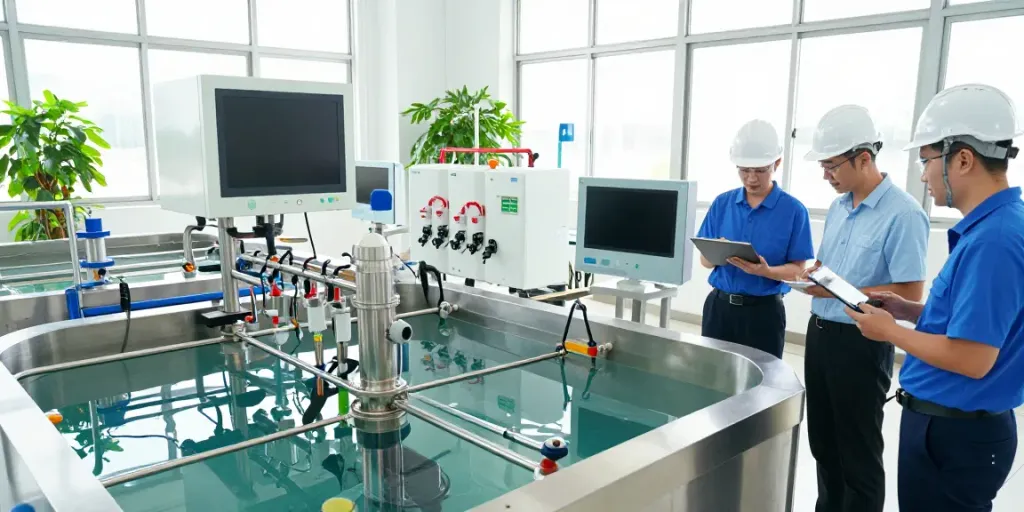
Integrated Modular Systems are comprehensive frameworks that comprise various specialized modules designed to work in synergy for water treatment. Each module can perform distinct functions — from filtration and chemical dosing to sludge dewatering and effluent treatment. This modularity allows for high customization based on specific water qualities and treatment needs, enhancing operational efficiency.
Key Components and Technologies
At the core of Integrated Modular Systems are several critical components:
- Filtration Modules: These include microfiltration, ultrafiltration, and reverse osmosis technologies that remove contaminants from water efficiently.
- Chemical Treatment Units: These modules handle the precise dosing of chemicals necessary for coagulation, flocculation, and disinfection, ensuring optimal water quality.
- DAF Systems: Dissolved Air Flotation systems offer an effective way to separate suspended solids from wastewater, particularly for light floc and weak precipitation applications.
- Sludge Dewatering Units: These are essential for managing waste produced during treatment, effectively reducing volume and facilitating disposal.
Benefits for Water Treatment Applications
Adopting Integrated Modular Systems provides numerous benefits, particularly in water treatment applications:
- Flexibility: The modular design allows for easy adjustments and expansions based on changing water demands.
- Scalability: Systems can be scaled up or down without significant overhauls, making them ideal for varying project sizes.
- Cost Efficiency: By optimizing processes, these systems can lower operational costs and reduce wastage.
Advantages of QILEE’s Integrated Modular Systems
Efficiency and Performance
QILEE's Integrated Modular Systems are designed with high efficiency in mind. Featuring innovative technologies and streamlined processes, these systems can process large volumes of water while maintaining high treatment standards. Their performance is backed by rigorous testing and real-world applications, providing reassurance of reliability and effectiveness.
Cost-Effectiveness and Scalability
One of the standout features of QILEE’s Integrated Modular Systems is their cost-effectiveness. By deploying a modular approach, facilities can invest progressively in upgrading or expanding their systems without incurring excessive upfront costs. Additionally, the systems are pre-engineered to fit specific applications, minimizing installation time and labor costs, which directly impacts the overall budget.
Environmental Impact and Sustainability
As global awareness regarding water sustainability grows, QILEE prioritizes environmentally friendly practices with its Integrated Modular Systems. These systems not only improve water quality but also reduce energy consumption and chemical use, leading to a lower carbon footprint. Furthermore, by enhancing water recycling capabilities, they contribute significantly to sustainable practices in various sectors.
Applications of Integrated Modular Systems
Industrial Water Treatment Solutions
Integrated Modular Systems serve a wide range of industrial applications, from food and beverage manufacturing to pharmaceuticals. Industries often face stringent regulations and high standards for water quality, making these modular systems particularly advantageous due to their adaptability and efficiency in meeting specific industrial requirements.
Wastewater Management Practices
In municipal settings, wastewater treatment is critical for public health and environmental protection. Integrated Modular Systems play a vital role in the effective treatment of sewage and industrial wastewater, employing advanced technologies to ensure compliance with regulatory standards while facilitating safe discharge or reuse.
Drinking Water Purification Techniques
For drinking water purification, QILEE’s Integrated Modular Systems ensure that water meets safety and quality standards. Utilizing advanced filtration, treatment, and monitoring technologies, these systems protect public health and enhance the overall quality of drinking water resources.
Challenges and Considerations in Implementation
Common Misconceptions and Obstacles
Despite the clear advantages, there are misconceptions surrounding Integrated Modular Systems that can hinder their adoption. Some stakeholders may view them as less robust compared to traditional systems, underestimating their capabilities in managing complex water treatment processes. Educating decision-makers on the benefits and performance of modular systems is crucial for overcoming these hurdles.
Best Practices for Successful Deployment
To successfully implement Integrated Modular Systems, it is advisable to conduct a thorough assessment of water treatment needs and challenges. Engaging with experienced suppliers like QILEE can provide valuable insights, ensuring that the systems chosen are tailored to specific requirements. Additionally, staff training on new technologies is essential for optimizing system performance and efficiency.
Measuring Performance and Effectiveness
To gauge the effectiveness of Integrated Modular Systems, it is important to establish performance metrics aligned with treatment goals. Monitoring key parameters such as flow rates, contaminant levels, and energy consumption will help in assessing system performance over time, allowing for timely adjustments and upgrades.
Future Trends in Integrated Modular Systems for 2026
Innovations on the Horizon
Looking ahead to 2026, the field of Integrated Modular Systems is poised for significant innovation. Emerging technologies such as artificial intelligence and IoT (Internet of Things) will enhance the monitoring and control of these systems, leading to improved efficiency and predictive maintenance capabilities.
Adapting to Regulatory Changes
As regulations concerning water quality and environmental protection continue to evolve, Integrated Modular Systems must adapt to meet these new standards. QILEE is committed to staying ahead of these changes, ensuring that its systems comply with local and global regulatory requirements.
Emerging Technologies and Their Impact
Technological advancements, including advancements in membrane technology and bioremediation techniques, will significantly impact the capabilities of Integrated Modular Systems. These innovations promise to enhance efficiency, reduce costs, and improve the overall sustainability of water treatment processes.