Introduction to Gradal Equipment
The construction and excavation industry continually evolves, requiring advanced machinery to meet the demands of modern projects. Among the most notable innovations is the gradal equipment. This term encapsulates a variety of machines designed for versatility and efficiency in handling heavy-duty tasks. From excavation to material handling, gradal machinery stands out in its operational capacity, speed, and adaptability to different terrains and project requirements.
What is Gradal?
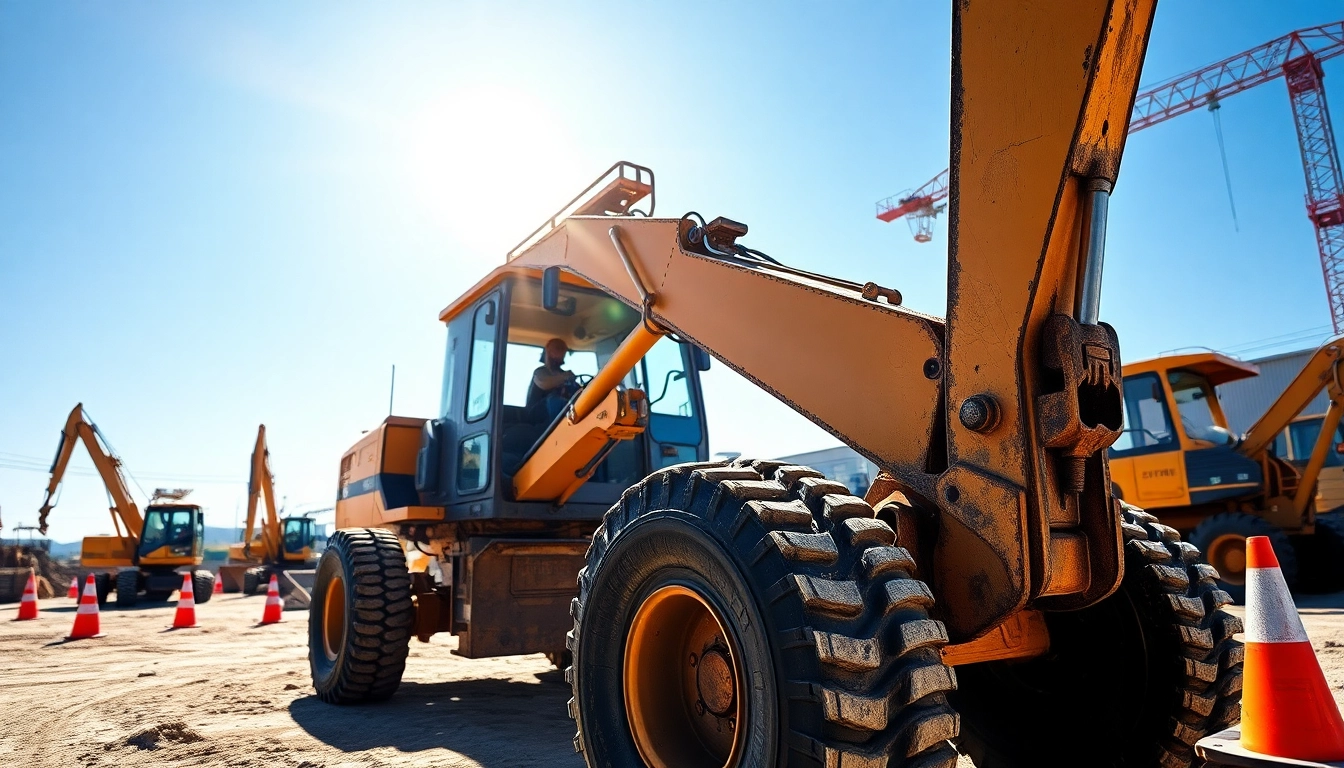
Gradal primarily refers to a class of machines used in construction and excavation, showcasing a design philosophy centered around flexibility and innovation. Originally pioneering the use of telescoping booms, this equipment revolutionizes how operators approach excavation tasks. These machines are equipped with undercarriages that significantly enhance mobility and functionality, making them suitable for both urban and rural job sites.
Key Features of Gradal Equipment
Gradal equipment boasts several key features that differentiate it from traditional excavation machinery:
- Telescoping Booms: This allows for increased reach without the need for repositioning the entire machine, making tasks like loading and unloading faster and more efficient.
- Versatile Attachments: The capability to use various attachments for different jobs provides immense value, allowing a single machine to perform multiple functions.
- Compact Design: Many gradal models are designed to fit into tight spaces, which is ideal for urban environments or smaller project sites.
- Enhanced Mobility: With advanced undercarriages, these machines can smoothly transition across different terrains, including roads and rougher landscapes.
Why Choose Gradal for Your Projects?
Choosing gradal equipment for your construction projects means investing in a reliable tool designed to maximize productivity. The versatility of these machines ensures that they can handle various tasks while minimizing the need for multiple pieces of equipment. Furthermore, their operational efficiency translates to reduced project timelines and overall cost savings, making them a preferred choice among contractors and construction managers.
Types of Gradal Machinery
Gradal Excavators: Versatility in Action
Gradal excavators offer a unique blend of power and finesse in various excavation tasks. They are designed for heavy-duty operations such as digging, lifting, and moving materials. Equipped with advanced hydraulic systems, these excavators provide exceptional performance even under the most challenging conditions. Operators can tackle projects ranging from road construction to landscaping with ease, ensuring adaptability across industries.
Specialty Gradal Machines for Unique Jobs
Apart from standard gradal excavators, there are specialized machines tailored for unique applications. These may include:
- Gradal Telehandlers: Ideal for applications requiring lifting and reaching capabilities, telehandlers are perfect for job sites that need to move materials to elevated areas.
- Gradal Road Builders: These machines are specialized for constructing and maintaining roadways, combining powerful excavation capabilities with advanced mobility.
- Gradal Demolition Equipment: Designed for demolition tasks, this category focuses on machines that can easily break down structures while allowing for efficient material handling.
Comparing Gradal to Other Excavation Equipment
While several excavation machines exist in the market, gradal equipment holds distinct advantages. Compared to traditional excavators, gradal machines typically offer greater mobility, versatility, and efficiency. Their unique designs facilitate better reach and improved operational capabilities in tight spaces. Furthermore, the diversity of attachments available enhances their usability across various project types, making them a logical choice for those seeking to maximize productivity without sacrificing quality.
Operational Efficiency with Gradal
Best Practices for Using Gradal Equipment
To achieve maximum efficiency while operating gradal equipment, it's essential to adhere to best practices that optimize performance:
- Thorough Training: Ensure all operators are adequately trained on the specific models they will be using. Knowledge of the machine's features and controls can significantly enhance productivity.
- Regular Inspections: Routine inspections of machines can help identify any wear or potential issues before they become costly repairs or operational delays.
- Optimal Load Management: Operators should avoid overloading machines beyond their capacity, which can lead to mechanical failures or safety incidents.
Minimizing Downtime with Gradal
Downtime can adversely affect project schedules and budgets. To minimize downtime when using gradal equipment, consider implementing these strategies:
- Scheduled Maintenance: Creating a maintenance schedule based on manufacturer recommendations helps ensure that machines are always in peak condition.
- Use High-Quality Parts: When replacements are necessary, using high-quality or OEM parts ensures durability and longevity, reducing the likelihood of future issues.
- Adapt to Job Requirements: Match the equipment used to the job at hand to prevent unnecessary wear and tear or potential equipment failure.
Training and Safety Considerations
Safety is paramount when operating gradal machinery. Comprehensive training should not only cover operational procedures but also safety protocols. This includes understanding the machine's limitations, recognizing hazards on site, and maintaining a clear, communicative environment within the team. Regular safety drills can also prepare operators for emergencies, fostering a culture of safety and readiness on every job site.
Maintenance Tips for Gradal Equipment
Routine Maintenance Procedures
To ensure longevity and performance, establish a routine maintenance procedure that includes:
- Daily Checks: Operators should conduct visual inspections each day before use, checking fluid levels, tire condition, and general operational functionality.
- Scheduled Servicing: Following the manufacturer's service timetable for oil changes, filter replacements, and hydraulic fluid checks is crucial for optimal performance.
- Cleaning: Regular cleaning of external parts helps prevent rust and debris buildup, which can impact the machine’s operation and efficiency.
Common Issues and Solutions
Operators may encounter several common issues while using gradal machinery, including:
- Hydraulic Failures: Regular inspection and maintenance are key. If failures are noticed, checking fluid levels and conducting a thorough assessment may identify the issue quickly.
- Unusual Noises: If an operator hears strange sounds, it's essential to stop working immediately and investigate the source, as it may indicate a serious problem.
- Engine Performance Issues: Poor performance may result from blocked air filters or low oil levels. Routine checks can help mitigate these risks before they escalate into larger issues.
When to Seek Professional Help
It's prudent to consult with a professional when encountering issues that are beyond the operator's expertise. Sudden mechanical failures or complex hydraulic issues warrant immediate professional assessment. Keeping a trusted maintenance service in regular contact can also shorten repair times and avoid logistical hurdles.
FAQs About Gradal Equipment
Is Gradal suitable for all types of construction?
Yes, Gradal equipment is versatile and can adapt to various construction projects, including urban and rural applications.
How can I improve the lifespan of my Gradal machinery?
Regular maintenance, quality parts, and proper operator training can significantly enhance the lifespan of your Gradal machinery.
What are the cost implications of using Gradal?
The costs associated with Gradal include initial investment, maintenance, and potential repairs, but their efficiency often leads to long-term savings.
Are there any unique accessories for Gradal?
Yes, Gradal machines can accommodate various attachments and accessories designed for different tasks, enhancing their functionality.
Where can I find training for operating Gradal?
Training for operating Gradal equipment can usually be obtained through certified courses provided by manufacturers or specialized training institutions.