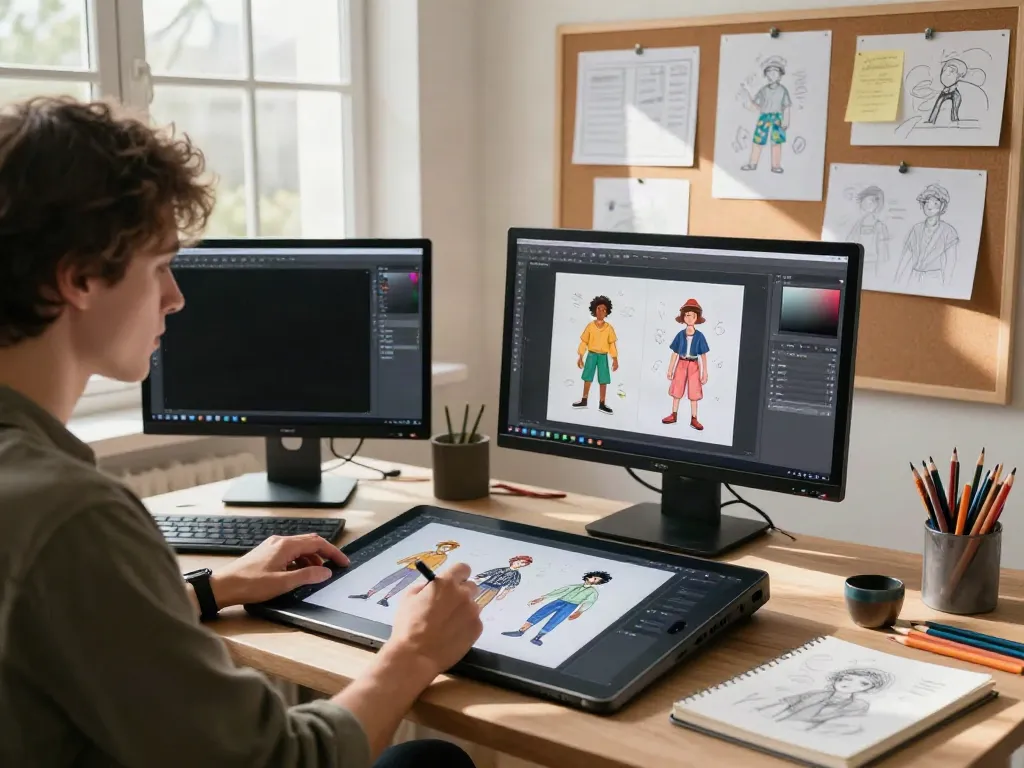
Understanding the AI Character Sheet Generator
In the realm of digital art and character design, the emergence of AI tools has revolutionized the approach creatives take toward character creation. At the forefront of these innovations is the AI character sheet generator, which offers users the ability to turn character concepts into structured visual references effortlessly. This article delves into the intricacies of AI character sheet generators, exploring their benefits, common misconceptions, and the methodologies that can enhance the character design process.
What Is an AI Character Sheet Generator?
An AI character sheet generator is a tool that utilizes artificial intelligence algorithms to create character reference sheets. These generators can produce multiple views of a character, including front, side, and back perspectives, often accompanied by essential details such as color palettes, clothing, and props. By inputting specific prompts or reference images, artists can quickly generate a cohesive visual representation, streamlining their workflow significantly.
Benefits of Using an AI Character Sheet Generator
The advantages of leveraging an AI character sheet generator are manifold:
- Speed and Efficiency: Traditional character design can be time-consuming, often requiring multiple iterations. AI generators drastically reduce this time by providing quicker output.
- Cost-Effectiveness: For independent creators or small teams, utilizing AI tools minimizes costs associated with hiring external artists for initial design drafts.
- Consistency: AI systems are trained on vast datasets, ensuring that character features remain consistent across multiple versions and angles.
- Accessibility: With user-friendly interfaces, even individuals without extensive artistic training can create professional-grade character sheets.
Common Misconceptions About AI Character Generators
Despite their growing popularity, several myths surround AI character generators:
- AI Will Replace Artists: Many believe that AI will render human artists obsolete. However, the reality is that AI serves as a tool to enhance creativity, not replace it.
- Quality Over Quantity: Some assume that AI-generated characters lack the depth and nuance of human-created designs. While AI can generate images quickly, the final touches often require the artist's unique style.
- Automatic Perfection: Users might expect flawless results with every output. However, fine-tuning and adjustments are still necessary to achieve a polished look.
Hidden Challenges in AI Character Sheet Creation
While AI character sheet generators provide numerous benefits, they also pose several challenges that users should be aware of.
Technical Limitations and Misinterpretations
AI technology is not infallible. Users may encounter technical limitations that can lead to misinterpretations of their prompts. For instance, an ambiguous description can yield unexpected design elements. Understanding how to craft effective prompts is key to achieving desired results.
Understanding Artistic Input vs. AI Output
The relationship between the artistic input and AI output is crucial. Artists must clearly define their vision as the AI relies heavily on provided data. An artist's knowledge about composition, color theory, and anatomy plays a vital role in guiding the AI to produce desirable outputs.
Over-Reliance on AI Solutions in Character Design
While AI can greatly assist in character design, over-reliance may stifle creativity. It's essential for artists to balance AI usage with traditional techniques to maintain their unique artistic voice. Integrating both methods fosters adaptability and innovation.
Best Practices for Using AI Character Sheet Generators
To maximize the effectiveness of AI character sheet generators, consider the following best practices:
Combining AI Tools with Traditional Techniques
Artists can benefit from using AI as a supplementary tool rather than a standalone solution. For example, generating a base character design with AI and then refining it through traditional sketching techniques allows for a perfect blend of technology and artistry.
Iterative Feedback Loops for Quality Design
Employing a feedback loop—where artists evaluate generated outputs and refine input criteria—can significantly enhance the quality of AI-generated character sheets. This iterative process promotes continuous learning and improvement.
Case Studies: Successful Character Designs Using AI
Several successful projects have showcased the potential of AI character sheet generators. One notable example includes a video game studio that utilized AI to develop a diverse range of NPCs (non-playable characters) based on specific narrative arcs, resulting in a richer gaming experience for players.
Real-World Applications of AI Character Sheet Generators
These AI tools have found applications across various industries, proving their versatility and impact.
Use in Video Game Development
In video game development, AI character sheet generators expedite character modeling processes, allowing developers to focus on storytelling and gameplay mechanics. AI-generated assets ensure that character designs align with the game's artistic vision while saving time and resources.
Applications in Animation and Film
In the animation and film industries, character sheets serve as blueprints for animators. AI-generated sheets can provide a consistent reference for character movements and expressions, aiding in maintaining continuity throughout production phases.
Creative Projects in Comic and Graphic Novel Creation
Comic artists and graphic novelists are increasingly embracing AI character sheet generators. They can create character designs that match specific styles, aiding in visual storytelling while adhering to deadlines without sacrificing quality.
Future Trends for AI Character Sheet Generators in 2026
As technology evolves, so too will AI character sheet generators. Future advancements are likely to enhance their functionality and usability.
Emerging Technologies Enhancing Character Design
New technologies such as augmented reality (AR) and virtual reality (VR) will likely integrate with AI character sheet generators, allowing users to visualize characters in immersive environments before finalizing designs.
Predictions for AI Integration in Creative Processes
By 2026, we may see increased collaboration between AI and human artists, leading to hybrid creative processes where both entities bring their strengths to the table. This shift could redefine creative workflows, fostering innovation.
Community Insights and User Experiences Going Forward
As the community around AI character generators expands, user experiences will shape development. Feedback from artists will drive improvements, ensuring tools remain user-centered and adaptive to the needs of modern creators.