Understanding the Concept of Celebrity Look-Alikes
The fascination with look alikes of famous people transcends generations, capturing the imagination of many through cultural references, social media trends, and even scientific inquiry. The phenomenon of celebrity look-alikes can be both amusing and bewildering, as the similarities between two individuals can evoke a mixture of recognition and curiosity. This exploration dives into the nature of look-alikes, providing insights into why we see these uncanny resemblances, the psychology behind them, and their historical significance in popular culture.
What Defines a Look-Alike?
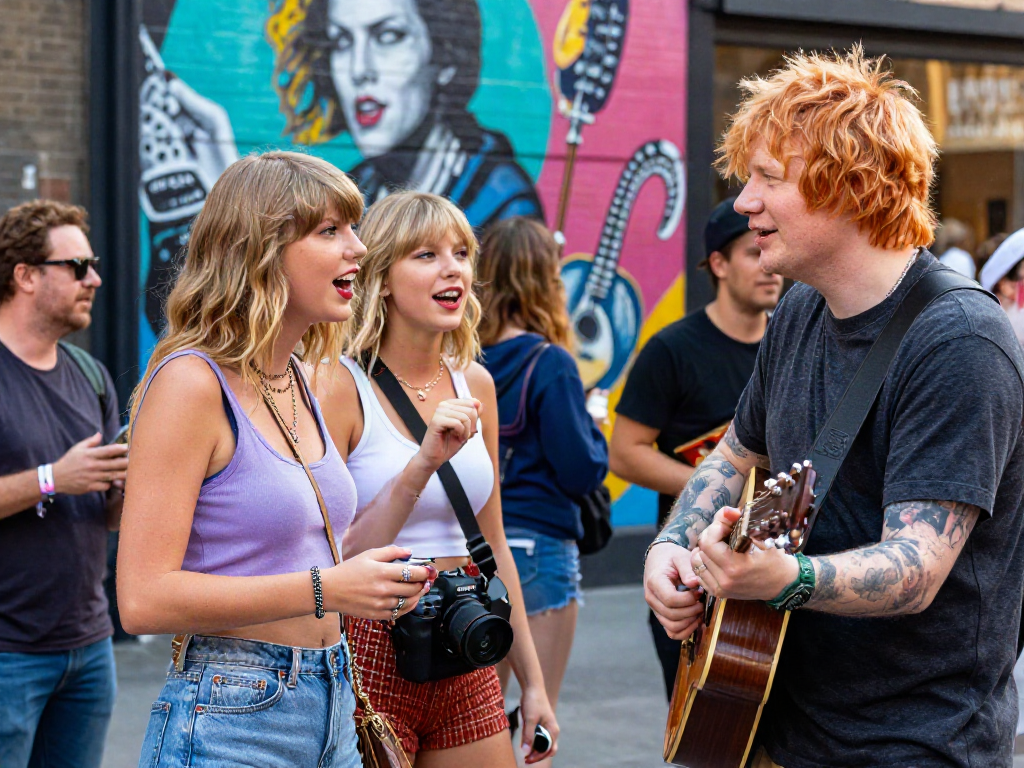
A look-alike is someone who closely resembles another person, typically in facial features or overall appearance. The term often applies to celebrities due to their visibility in media; however, look-alikes can be found in any demographic or profession. Genetic coincidence plays a significant role in this phenomenon, as certain physical traits may be prevalent in specific populations, leading to surprising similarities among people who share no relation. In many cases, these resemblances spark conversations, jokes, and, sometimes, confusion, especially in public spaces.
The Psychology Behind Celebrity Resemblances
The allure of spotting look-alikes stems from our psychological tendency to categorize and connect information. Human brains are wired to recognize patterns, and when we see someone who resembles a famous figure, it triggers a mental association that can create a sense of familiarity. This is often enhanced by the star's prominent media presence; when someone looks like a well-known celebrity, they can evoke the same feelings of admiration or curiosity simply through visual resemblance. Furthermore, the phenomenon of "mere exposure" plays a role; the more we see a celebrity, the more likely we are to perceive look-alikes as being similar.
Historical Context of Look-Alikes in Pop Culture
Throughout history, the concept of look-alikes has been prevalent in various forms of entertainment. From TV shows showcasing doppelgängers to movies that explore the theme of identity and resemblance, pop culture has long been fascinated with the idea of individuals who mirror one another. This has evolved into a global phenomenon where websites, social media accounts, and even apps are dedicated to finding and sharing photographs of look-alikes. Furthermore, look-alikes often serve as a mirror to societal standards of beauty and celebrity culture, prompting discussions about identity, representation, and societal norms.
How to Identify Look Alikes of Famous People
Spotting celebrity look-alikes can be an entertaining pursuit, and there are various methods and tools available to enhance this experience. From social media platforms to dedicated applications, the quest to find look-alikes has never been more accessible.
Methods for Spotting Celebrity Doppelgängers
Identifying look-alikes involves keen observation and an eye for detail. People often share photographs of themselves alongside celebrities they resemble, allowing for a direct comparison. Attending events such as conventions where fans dress up as their favorite stars can also yield some remarkable finds. Additionally, engaging in casual conversations with friends about who they think looks like famous individuals can unveil surprising doppelgängers within your social circle.
Utilizing Social Media to Discover Look-Alikes
Social media platforms, primarily Instagram and TikTok, have become hotspots for look-alike identification. Users frequently post side-by-side comparisons of themselves with celebrities, allowing the community to weigh in on how closely they match. Hashtags such as #Lookalike and #Doppelganger have gained traction, making it easier to discover and share these unique visual connections. Moreover, dedicated subreddits like r/CelebrityLookalikes on Reddit provide a platform for users to share and discuss their findings.
Popular Tools and Apps for Finding Look Alikes
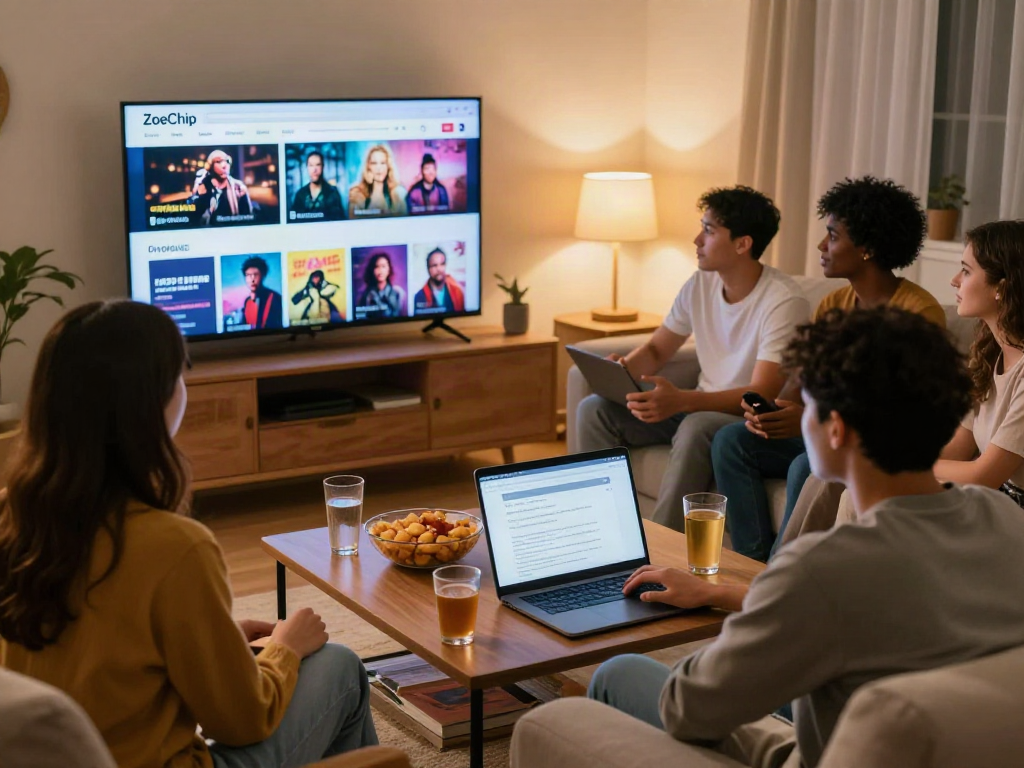
In the age of technology, several apps can assist in finding potential look-alikes. Applications such as "Starbyface" and "Celebrity Look-alike" allow users to upload their photos and find celebrities they resemble. These tools employ facial recognition technology to analyze key facial features, providing a fun and interactive way to engage with the look-alike phenomenon. Understanding how these apps work can enhance the experience of spotting look-alikes, creating a bridge between technology and visual identity.
Common Misconceptions About Celebrity Look-Alikes
Several misconceptions about look-alikes can cloud our understanding of this intriguing phenomenon. It's essential to dispel these myths to appreciate the complexity of resemblance and identity more fully.
Are Look-Alikes Always Related?
One common myth is that look-alikes must share a genetic connection. While some individuals find doppelgängers within their family tree, many look-alikes are entirely unrelated. The phenomenon can be attributed to random genetic combinations leading to similar appearances. Factors such as ethnicity and geographic background can contribute significantly to this resemblance, further emphasizing that looks can coincide without familial ties.
The Difference Between Look-Alikes and Impersonators
Another misconception involves conflating look-alikes with impersonators. While look-alikes may share similar physical characteristics with celebrities, impersonators actively mimic their behaviors, mannerisms, and sometimes their manner of speaking. Impersonators typically perform in shows or events, often for entertainment purposes, rather than simply existing as someone who resembles a celebrity. Understanding this distinction helps in appreciating both forms of performance and visual similarity.
Myths Surrounding Genetic Coincidences
Many also believe that finding a look-alike is purely a matter of luck or coincidence. While it is true that some resemblances are coincidental, genetic factors play a crucial role in the likelihood of finding someone resembling a famous person. Shared ancestry, environmental influences, and cultural standards of beauty contribute to these reactions, showing that science and chance intertwine in the conversation about look-alikes.
Real-Life Examples and Fun Facts
The world is filled with incredible stories regarding celebrity look-alikes, and some instances are downright fascinating. These real-life examples highlight how look-alikes can capture our curiosity and elevate conversations about identity.
Famous Celebrity Look-Alike Cases
One of the most famous look-alike cases is that of actor Jamie Pressly and actress Margot Robbie. Both women exhibit similar facial structures and expressions, leading to endless comparisons across the media. Furthermore, the resemblance sparked conversations on social media, bringing in fans from both camps to discuss and vote on their preferred look-alike. Such instances bring joy to both the individuals and their fans while showcasing the beauty of diversity in resemblance.
Comparing Historical Figures to Modern Celebrities
It's not uncommon to find celebrities who resemble historical figures. For instance, actor Leonardo DiCaprio has often been likened to some old portraits of historical figures, showcasing how certain traits transcend time. This phenomenon opens discussions about beauty standards and societal perceptions over different eras, encouraging us to explore how looks can connect us across generations.
Fascinating Facts About Celebrity Doppelgängers
- Studies indicate that nearly 1 in 12 people share a striking resemblance with someone else in the world.
- In some cultures, look-alikes are celebrated and even portrayed in art and literature.
- Celebrity doppelgängers often find themselves in social media campaigns aimed at promoting body positivity and self-acceptance.
The Future of Celebrity Look-Alikes in 2026 and Beyond
As technology evolves, so does the landscape of celebrity look-alikes. The future promises exciting changes in how we identify and interact with these remarkable resemblances.
Trends in Celebrity Culture and Look-Alikes
The realm of celebrity culture is shifting, with an increasing focus on authenticity and individuality. As more diverse representations take center stage, the concept of look-alikes may also transform, allowing for a broader understanding of identity. This evolution will likely continue to inspire new trends in fashion, beauty, and media as society moves towards appreciating uniqueness rather than conformity.
The Impact of Technology on Finding Look-Alikes
Advancements in artificial intelligence and machine learning may revolutionize how we perceive look-alikes in the near future. Enhanced algorithms could lead to more accurate identification of doppelgängers and allow people to connect through shared experiences and visual similarities. As more platforms adopt these technologies, users will have the opportunity to explore connections with others who share similar physical traits, fostering a sense of community.
Predictions for Celebrity Doppelgängers in Popular Media
Looking ahead, we can expect to see an increase in media narratives exploring themes of identity through the lens of look-alikes. Documentaries and reality shows may delve into the lives of everyday individuals who share uncanny resemblances to famous figures, crafting compelling narratives that celebrate uniqueness and foster discussions about societal beauty standards. This trend towards visibility will likely empower people to embrace their own identities while celebrating the connections we share with others.
Who are some celebrity look alikes?
Celebrity look-alikes can be found across all industries and professions. Some of the most notable examples include actors, musicians, and even political figures, like the striking resemblance between actors Tom Hardy and Jonathan Rhys Meyers.
What are the most famous doppelgangers?
Some of the most famous doppelgangers include the likes of Justin Bieber and his look-alike, as well as the similarities between actors Zach Braff and Jack Black, who often spark discussions and playful debates about their resemblance.
How can I find my celebrity look alike?
To find your celebrity look-alike, consider using apps that analyze facial features, or engage with online communities where you can share your photos and receive feedback. Social media platforms are also great for connecting with others who may share your resemblance.
What are the best tools for identifying look alikes?
Some of the best tools include facial recognition apps and platforms like Photoshop or specialized look-alike programs, which allow for photo comparisons and analysis, helping you to identify your doppelgänger with more precision.
Are there celebrity look alikes in different cultures?
Yes, celebrity look-alikes exist in various cultures, showcasing how traits can be shared among diverse populations. This enriches the conversation about beauty and identity across different societies, emphasizing the universal nature of resemblance.