Understanding Local LLMs and Their Growth by 2026
Definition and Functionality of Local LLMs
Local Large Language Models (LLMs) are sophisticated artificial intelligence systems deployed on local hardware, enabling organizations to leverage powerful language processing capabilities without relying on cloud-based solutions. Unlike their cloud counterparts, local LLMs reside on-premises, allowing for enhanced data privacy, reduced latency, and greater control over the model's functionality and updates.
By 2026, these models are expected to evolve significantly, incorporating advanced features such as better understanding of context, improved dialogue systems, and increased ability to perform complex tasks. Organizations will utilize local LLMs for a variety of applications, including customer service automation, content generation, and even real-time language translation.
Market Trends Influencing LLM Development
The market for local LLMs is driven by several key trends:
- Data Privacy Regulations: Stricter data protection laws, such as GDPR and CCPA, push organizations to adopt local solutions to maintain compliance.
- Advancements in Hardware: Continuous improvements in CPU and GPU technology make it feasible for businesses to run complex LLMs locally.
- Increased Demand for Personalization: As businesses seek to provide more tailored experiences, local LLMs can process and analyze user data on-site to deliver customized solutions.
Predicted Use Cases for Local LLMs in 2026
As we look ahead to 2026, the potential use cases for local LLMs are vast and varied:
- Healthcare: Local LLMs can assist medical professionals by analyzing patient data and providing diagnostic suggestions directly within hospital systems.
- Finance: Financial institutions can deploy LLMs for fraud detection, risk assessment, and personalized customer service, all while safeguarding sensitive information.
- Education: Educational institutions can utilize local LLMs for adaptive learning systems, providing tailored content and feedback to students in real-time.
Essential Hardware Specifications for Local LLMs
Processor Requirements: CPUs vs. GPUs
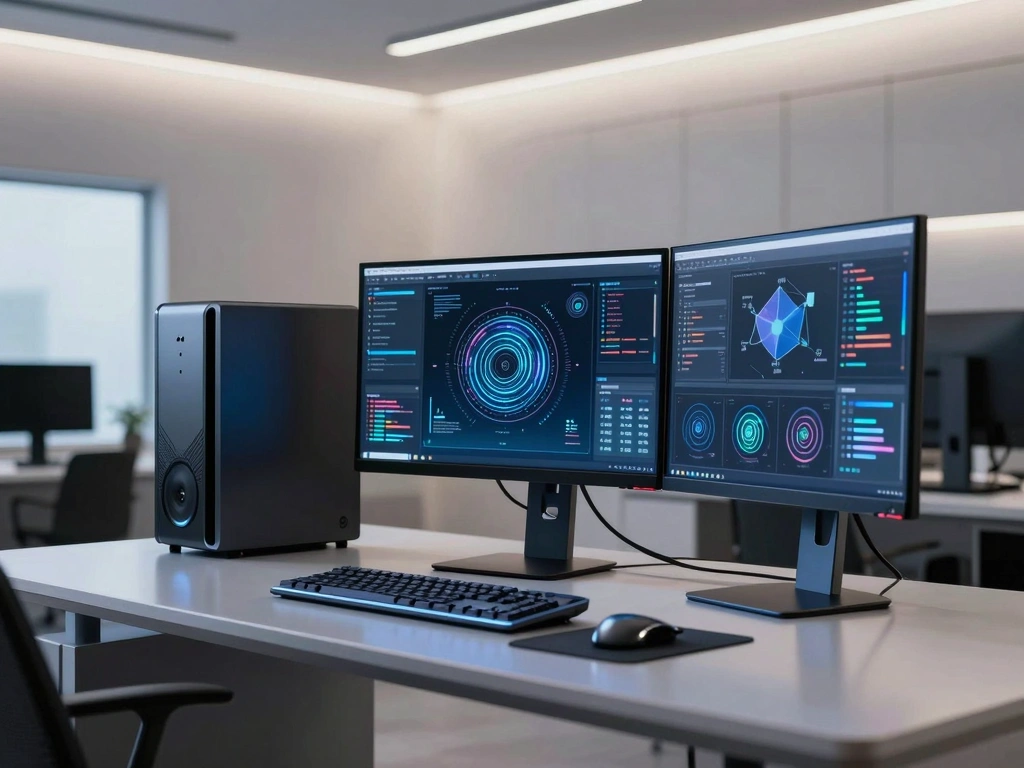
To effectively run local LLMs, hardware specifications are critical. In 2026, the choice between CPUs and GPUs will be pivotal:
- CPUs: While traditional CPU architectures can handle basic processing tasks, they may struggle with the extensive parallel processing required for LLMs. A high-end CPU, such as the AMD Ryzen 9 7950X or the Intel Core i9-12900K, can support basic LLM tasks, but performance will be limited.
- GPUs: Graphics Processing Units are essential for executing the complex computations required by LLMs. NVIDIA's A100 or H100 Tensor Core GPUs, which are specifically designed for AI workloads, will be preferred. These GPUs offer significant computational power, capable of handling matrix operations that are fundamental to deep learning.
Memory and Storage Needs for Efficient Processing
Memory and storage capacity are equally important:
- RAM: For optimal performance, a minimum of 64GB of RAM will likely be required to run advanced local LLMs efficiently. More demanding applications may necessitate 128GB or even 256GB, especially when multiple instances of the model operate concurrently.
- Storage: Local LLMs require substantial storage space for model weights and training data. Solid State Drives (SSDs) with capacities of 2TB or more will be practical, providing the speed necessary for quick data access and processing. NVMe SSDs will be preferred due to their higher throughput and lower latency.
Networking Hardware: Bandwidth and Latency Considerations
Effective networking hardware is crucial for local LLMs, particularly in enterprise environments:
- Bandwidth: A minimum internet bandwidth of 1 Gbps will be required to facilitate efficient data exchange, especially when training models or accessing large datasets.
- Low Latency: Latency should be minimized to ensure real-time processing capabilities, particularly in applications requiring immediate responses. Using Ethernet connections over Wi-Fi can significantly reduce latency.
Energy Efficiency and Sustainability Considerations
Power Consumption Metrics for Local LLM Hardware
As organizations become more environmentally conscious, energy efficiency in local LLM hardware is becoming a priority:
- Power Ratings: High-performance GPUs can consume upwards of 300 watts, while CPUs may range from 65 watts to 125 watts. It’s essential to factor in these power ratings when designing an LLM environment.
- Energy-Efficient Models: Selecting hardware designed for energy efficiency, such as NVIDIA’s Ampere architecture, can help in reducing overall power consumption while maximizing performance.
Cooling Solutions and Thermal Management
Effective cooling solutions are necessary to manage the heat generated by high-performance hardware:
- Air Cooling: High-quality fans and air cooling systems can effectively dissipate heat but may be insufficient for intensive workloads.
- Liquid Cooling: For systems running multiple GPUs, liquid cooling solutions may be required to maintain optimal operating temperatures.
Renewable Energy Solutions for LLM Deployments
Integrating renewable energy sources into the power supply for local LLMs can significantly lower carbon footprints:
- Solar Panels: Installing solar panels can provide a sustainable power source, reducing reliance on non-renewable energy.
- Energy Storage Systems: Utilizing battery storage in conjunction with renewable energy sources ensures consistent power availability, even during peak usage times.
Cost Analysis of Local LLM Hardware in 2026
Budgeting for Initial Setup and Infrastructure
Investing in local LLM hardware entails significant upfront costs:
- Initial Hardware Costs: A high-end workstation capable of running local LLMs could range from $10,000 to $30,000, depending on the specifications. This includes the GPU, CPU, RAM, and storage.
- Infrastructure Costs: Additional costs for networking hardware, cooling solutions, and potentially renewable energy systems can add another $5,000 to $15,000.
Long-term Maintenance and Upgrade Costs
Organizations must also consider ongoing maintenance expenses:
- Maintenance Costs: Regular maintenance, including software updates, hardware repairs, and potential replacements, can average around 10-15% of the initial investment annually.
- Upgrade Costs: As LLMs evolve, hardware may need upgrades every 2-3 years, which can significantly impact the total cost of ownership.
Cost vs. Performance: Making Informed Decisions
Organizations must balance cost and performance when investing in local LLM hardware:
- Performance Benchmarks: Investing in high-performance GPUs and CPUs can offer better long-term value, as they will support more advanced models and applications.
- Cost-Effectiveness: Evaluate the total cost of ownership, including energy consumption and potential revenue generation from using local LLMs, to justify the investment.
Future-Proofing Your Local LLM Hardware Investments
Scalability Considerations for Growing Needs
As demands for local LLMs increase, scalability will be crucial:
- Modular Hardware Design: Opt for hardware that allows for easy upgrades and expansions, such as systems that support multiple GPUs or additional RAM slots.
- Cloud Hybrid Solutions: Considering a hybrid model where local LLMs are augmented with cloud resources can provide flexibility and scalability without compromising on performance.
Compatibility with Emerging Technologies
Future-proofing hardware requires compatibility with emerging technologies:
- Hardware Accelerators: Look for hardware that supports AI accelerators, such as TPUs, which can enhance performance as LLMs continue to evolve.
- Software Compatibility: Ensure that the hardware supports the latest AI frameworks, such as TensorFlow and PyTorch, which are continually advancing to utilize new hardware capabilities.
Best Practices for Hardware Longevity and Upgrades
To maximize the lifespan of local LLM hardware, consider the following best practices:
- Regular Maintenance: Schedule regular maintenance checks to clean hardware, update software, and ensure optimal performance.
- Monitoring Tools: Utilize monitoring tools to track hardware performance, power consumption, and potential issues before they escalate.
- Training Staff: Invest in training for IT staff on the latest hardware technologies and best practices to ensure competent management of local LLM systems.