Understanding Sports Massage at Home
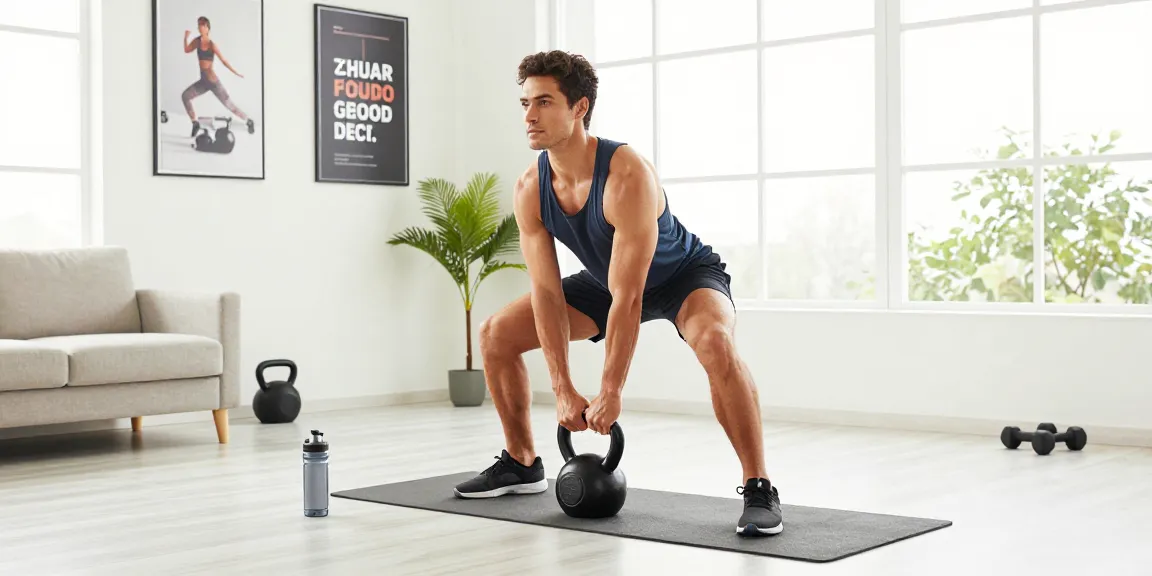
As the world evolves and healthcare services become more personalized and accessible, sports massage at home has emerged as a vital part of recovery and performance enhancement. This approach not only provides convenience but also ensures that therapeutic treatments are conducted in a familiar and comfortable environment. Understanding the benefits and applications of sports massage can significantly aid those engaged in physical activities, whether they are athletes or casual fitness enthusiasts.
What is Sports Massage?
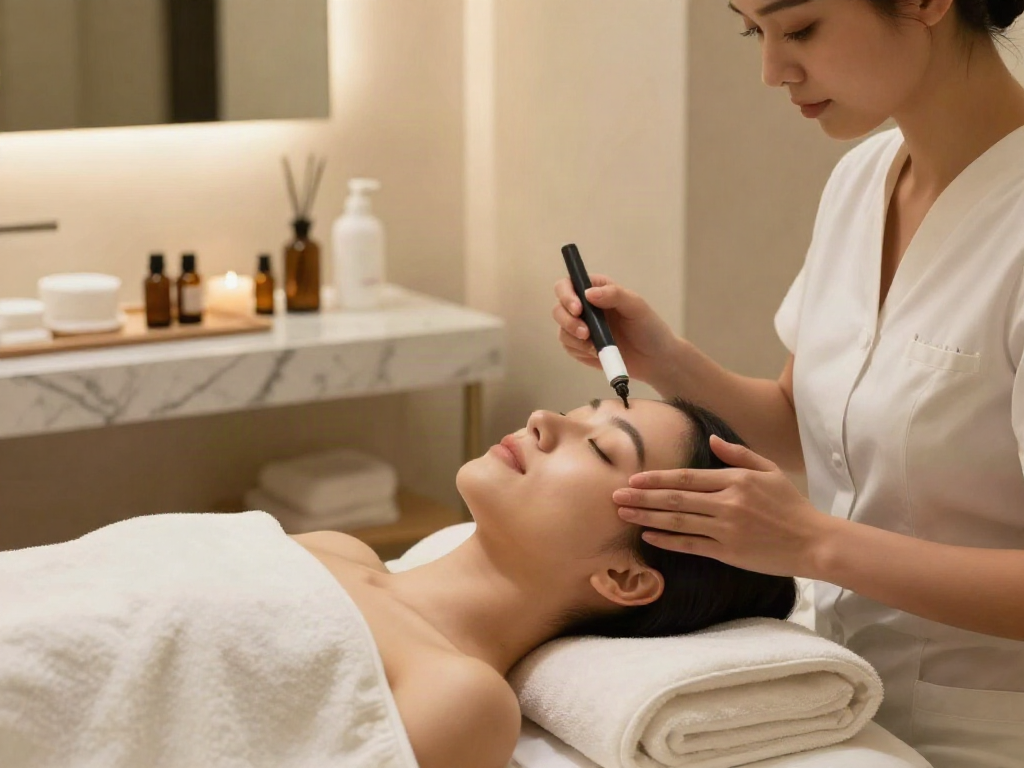
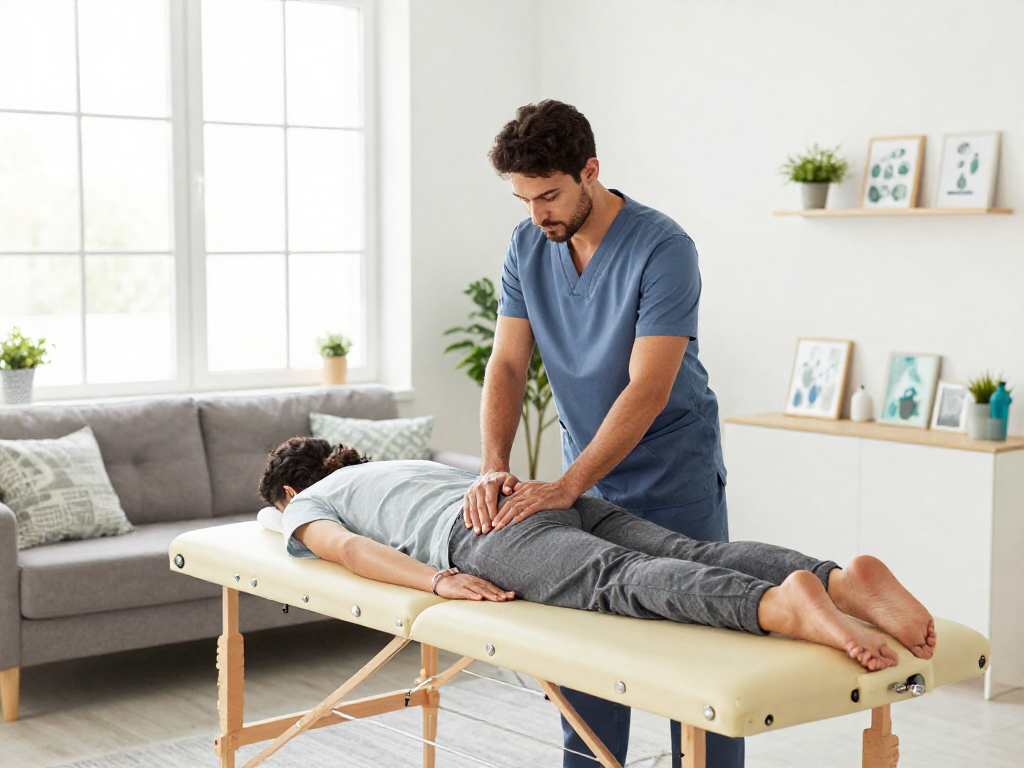
Sports massage is a specialized form of massage therapy tailored to the needs of athletes and active individuals. It integrates techniques aimed at enhancing performance, preventing injuries, and facilitating recovery post-exercise or competition. This type of massage incorporates various modalities, including deep tissue massage, stretching, and trigger point therapy, while mainly focusing on muscle groups and areas of the body that are highly stressed through physical exertion. The treatments can be personalized to suit individual requirements and specific sports activities.
Benefits of Sports Massage for Recovery
Engaging in regular sports massage can yield numerous health benefits, particularly in the recovery process following strenuous exercise or injury. The benefits include:
- Enhanced Circulation: Sports massage promotes increased blood flow to the muscles, facilitating healing and nourishment of muscle tissues.
- Reduction of Muscle Tension: This type of massage alleviates tightness and discomfort in the muscles, allowing for improved flexibility and range of motion.
- Improved Recovery Time: Athletes report less soreness and quicker recovery times, which can mean a quicker return to training and competitions.
- Decrease in Injury Risk: Regular sessions may help identify potential problem areas and reduce the likelihood of muscle injuries.
When exploring options, sports massage at home provides comprehensive insights into how tailored treatments can specifically aid recovery.
Who Can Benefit from Sports Massage?
Almost anyone engaged in physical activity can benefit from sports massage. This includes professional athletes, weekend warriors, and individuals involved in fitness regimes. Additionally, people recovering from injuries or those experiencing chronic pain conditions can find value in targeted sports massage. Key groups include:
- Athletes: Individuals at any competitive level can enhance their performance and recovery.
- Fitness enthusiasts: Those participating regularly in exercise can prevent injuries and manage muscle soreness.
- Recreational players: Casual athletes engaging in sports occasionally can improve endurance and comfort during activities.
- Individuals dealing with chronic pain: People with conditions such as fibromyalgia or arthritis can find relief through tailored massage therapy.
Measuring the Effectiveness of Home Sports Massage
As with any form of treatment, it's essential to evaluate the effectiveness of sports massage. Several methods exist to assess its impact on recovery and overall well-being.
Tracking Recovery Metrics
Recovery metrics can include muscle soreness levels, mobility improvements, and performance outcomes. Keeping a log of these metrics before and after massage sessions can provide valuable insights into its effectiveness over time. Patients may benefit from using a standardized scale for soreness and flexibility assessment, helping to quantify changes resulting from therapy.
Patient Feedback and Satisfaction
Listening to patient feedback is crucial in evaluating the success of sports massage. Gathering testimonials and conducting satisfaction surveys can offer insights into patient experiences and the perceived effectiveness of the treatment. Positive outcomes not only validate the practice but encourage personalized adaptations to meet specific patient needs.
Utilizing Technology for Evaluation
Advancements in technology have equipped therapists and patients with tools that can enhance the evaluation of sports massage outcomes. Mobile applications and wearable devices can track physical performance, monitor recovery rates, and even offer guided exercise routines—providing a comprehensive approach to sports rehabilitation.
Complementary Treatments to Enhance Sports Massage
To maximize the benefits of sports massage, integrating complementary treatments can further support recovery and performance. The following approaches can be beneficial:
Incorporating Home Exercise Programs
A structured home exercise program can enhance the effects of sports massage by engaging the corresponding muscle groups and aiding recovery. These programs can be tailored by physiotherapists to address individual strengths, weaknesses, and recovery goals.
Integrating Nutritional Guidance
Nutrition plays a vital role in recovery and overall athletic performance. Providing patients with nutritional strategies tailored to their needs can help them maintain optimal energy levels and promote muscle recovery. Incorporating anti-inflammatory foods and ensuring adequate hydration should be emphasized.
Pain Management Techniques
Additional pain management strategies such as heat therapy, cold packs, or transcutaneous electrical nerve stimulation (TENS) can enhance the efficacy of sports massage. Therapists should work collaboratively with patients to design a comprehensive care plan that integrates these methods as needed.
Working with Your Healthcare Provider
Collaborating with a healthcare provider is essential in ensuring a comprehensive approach to sports massage and overall rehabilitation.
Consulting on Sports Massage Plans
Before initiating sports massage, discussing personal recovery goals and any underlying health conditions with a healthcare provider is recommended. This person can provide valuable insights into the treatment plan and help tailor approaches according to individual needs.
Understanding Medicare and NDIS Support
For eligible individuals, understanding the benefits available through Medicare and the National Disability Insurance Scheme (NDIS) can provide financial support for sports massage therapy. Knowledge of coverage options is important in ensuring that patients can access necessary treatments without undue financial burden.
Communicating Effectively as a Patient
Open communication between patients and healthcare providers can facilitate better outcomes. Patients should feel empowered to discuss their treatment experiences, concerns, and preferences, allowing for adjustments in care to align with their personal health goals.
Frequently Asked Questions about Sports Massage
How often should you receive sports massage at home?
The frequency of sports massage greatly depends on the individual's physical activity level, recovery needs, and personal preferences. Athletes may benefit from weekly sessions, while recreational exercisers may find bi-weekly or monthly massages effective.
What should you expect during a sports massage session?
A typical sports massage session may last between 30 to 90 minutes. Patients can expect an assessment of their physical condition, followed by targeted treatments aimed at identified tightness or soreness. It’s essential to communicate with the therapist about any discomfort during the session.
Are there any risks associated with sports massage at home?
While sports massage is generally safe, individuals with specific health conditions, such as acute injuries, fractures, or severe cardiovascular issues, should consult healthcare providers before commencing treatment. For more information, sports massage at home offers valuable insights. Practitioners should be informed about any medical history to avoid complications.