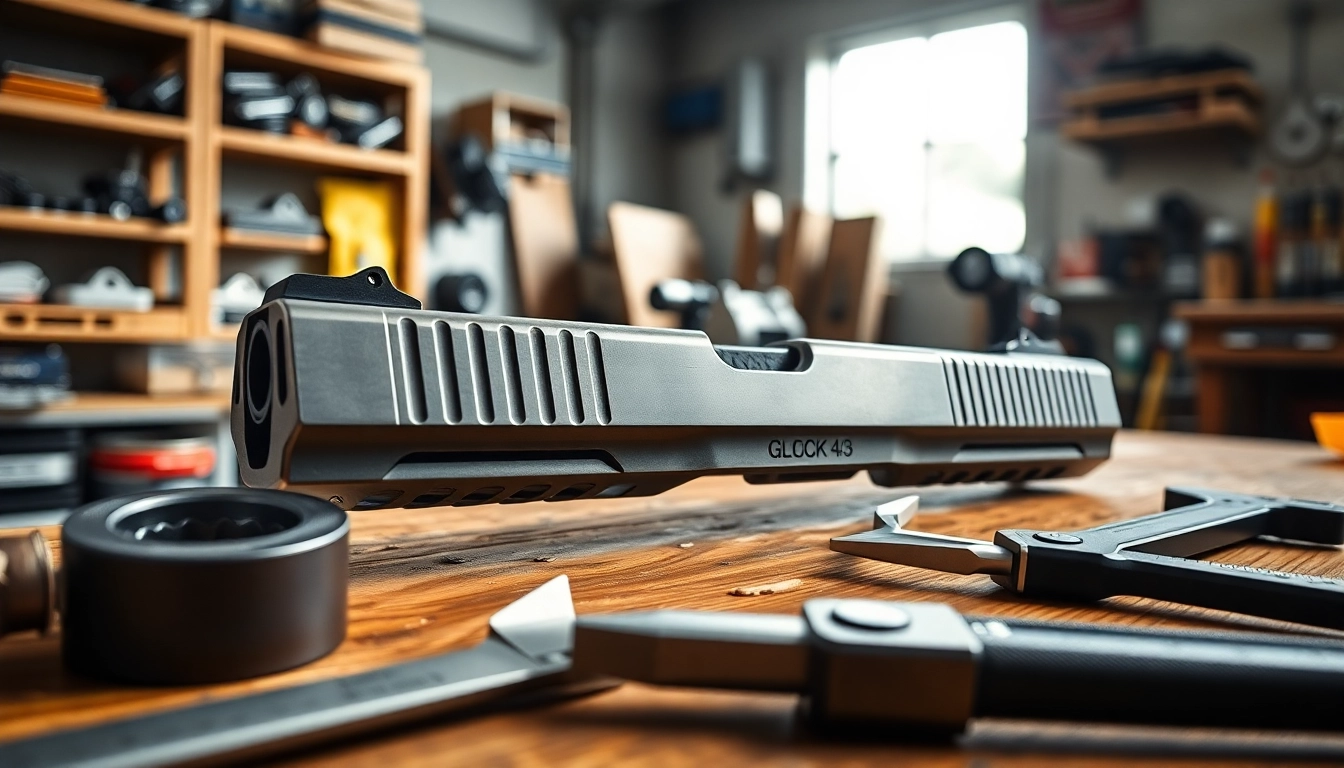
Understanding the Glock 43 Slide
The glock 43 slide plays a crucial role in the functionality and overall performance of the Glock 43 pistol. This essential component houses various mechanisms and features that contribute to both the operation of the firearm and the accuracy of shot placement. Understanding the intricacies of the slide can help users enhance their shooting experience and maintain their firearms effectively.
Components of the Glock 43 Slide
The Glock 43 slide is a complex assembly made from several key components, each designed to fulfill specific functions. These include:
- Slide Body: The outer casing that protects internal mechanisms. Made to withstand significant pressure during firing.
- Barrel: Located inside the slide, this component is crucial for bullet propulsion.
- Recoil Spring Assembly: An essential mechanism that absorbs the energy of the fired round, allowing the slide to return to its original position.
- Firing Pin: Responsible for striking the primer of the cartridge, igniting the powder and firing the bullet.
- Extractor: This component removes the spent casing from the chamber after firing one round.
Materials Used in Glock 43 Slides
The materials used in the construction of the glock 43 slide significantly impact its durability and performance. Glock slides are typically manufactured from high-strength polymer and steel. The outer surface often undergoes various coatings, such as Tenifer finish, which improves corrosion resistance and durability. This innovative use of materials ensures that the slide can withstand the rigors of frequent use.
Functionality and Performance
The performance of a Glock 43 largely hinges on its slide. The design of the slide contributes to the pistol's recoil management, accuracy, and reliability. An effectively designed slide ensures smooth cycling of the action, which minimizes jams and failures to feed. Understanding how these factors affect performance can help enthusiasts appreciate the importance of selecting the right slide for their needs.
Choosing the Right Glock 43 Slide
When it comes to selecting the appropriate glock 43 slide, several factors should be taken into account. The right choice can greatly improve shooting experience and enhance functionality.
Factors to Consider When Selecting
Choosing a Glock 43 slide involves several considerations:
- Purpose: Determine what you need the slide for—competition shooting, self-defense, or casual use.
- Material: Opt for durable materials that will withstand extensive use.
- Compatibility: Ensure that any aftermarket slide is fully compatible with your Glock 43's frame and components.
- Features: Consider added features such as optic cuts, serration patterns, and finishes that suit your style and needs.
Popular Glock 43 Slide Options
There are various popular options available for the Glock 43 slide, each with unique features:
- Standard Replacement Slides: Factory-manufactured slides that provide complete compatibility and reliability.
- Optics-Ready Slides: Designed specifically to accommodate red dot sights, these slides offer enhanced shooting speed and accuracy.
- Tactical Slides: Features like gills for better grip and upgraded coatings for performance under adverse conditions.
Aftermarket vs. OEM Slides
When considering a glock 43 slide, you will encounter OEM (Original Equipment Manufacturer) slides and aftermarket options. Here's a brief comparison:
FeatureOEM SlidesAftermarket SlidesCompatibilityFull CompatibilityVariablePerformanceProven ReliabilityDepends on ManufacturerPriceStandard PricingOften LowerFeaturesBasic FeaturesVariety of Advanced Features
Installation of the Glock 43 Slide
Installing your new glock 43 slide is a straightforward process, but it must be done carefully to ensure proper assembly and functionality.
Step-by-Step Installation Guide
- Prepare Your Workspace: Ensure you have a clean and clutter-free area to work.
- Remove the Old Slide: Begin by ensuring your pistol is unloaded. Remove the recoil spring and barrel first.
- Align the New Slide: Place the new slide onto the frame, aligning it with the slide rails.
- Insert the Barrel: Slide the barrel back into the new slide.
- Add the Recoil Spring: Carefully place the recoil spring assembly into the slide.
- Check Functionality: Ensure everything is seated correctly and perform a function check.
Tools Required for Installation
The installation can usually be performed without special tools, but some may be beneficial:
- Armorers’ screwdriver set
- Punch pins (for stubborn parts)
- Cleaning cloth to manage debris
Common Mistakes to Avoid
To ensure a smooth installation, be aware of potential pitfalls:
- Forgetting to Empty the Chamber: Always double-check your firearm is unloaded.
- Not aligning the Slide Properly: Take your time to ensure everything is in place.
- Ignoring Cleaning: Clean the slide area before and after installation to ensure optimum performance.
Caring for Your Glock 43 Slide
Maintaining your glock 43 slide is essential for longevity and performance. Proper care can enhance reliability and shooting accuracy.
Cleaning Your Glock 43 Slide
Cleaning should be performed regularly to remove fouling and prevent rust. Follow these steps:
- Disassemble: Follow the disassembly guide above.
- Clean Slide Interior: Use a cleaning rod and solvent to remove debris. A soft brush can help.
- Wipe Exterior: Use a cloth dampened with gun oil to wipe down surfaces.
- Inspect Components: Check for wear or damage before reassembling.
Storage Tips for Longevity
Proper storage is just as important as cleaning. Consider these tips:
- Store in a cool, dry environment to prevent corrosion.
- Use a gun case or safe with adequate protection against moisture.
- Regularly check your firearm for signs of rust or other damage.
Maintenance Best Practices
Best practices ensure your Glock 43 slide operates smoothly:
- Perform routine checks and cleanings after heavy use or exposure to the elements.
- Apply appropriate lubrication to sliding surfaces to minimize wear.
- Follow the manufacturer’s recommendations for care and maintenance.
Frequently Asked Questions
What is the weight of a Glock 43 slide?
The weight of a Glock 43 slide is approximately 0.5-1 lb depending on the manufacturer's specifications and the materials used.
Can I customize my Glock 43 slide?
Yes, you can customize your Glock 43 slide with aftermarket options like optics cuts, custom finishes, and upgraded serration patterns.
Where can I find a Glock 43 slide replacement?
Replacement slides for the Glock 43 can be found at gun shops, sporting goods stores, or specialized online retailers focused on firearms.
Is it safe to modify the Glock 43 slide?
As long as modifications are done by a qualified gunsmith and adhere to safety guidelines, customizing your Glock 43 slide is safe.
What are the benefits of an aftermarket Glock 43 slide?
Aftermarket Glock 43 slides can offer enhanced features like reduced weight, improved ergonomics, and compatibility for mounting optics which can enhance performance.