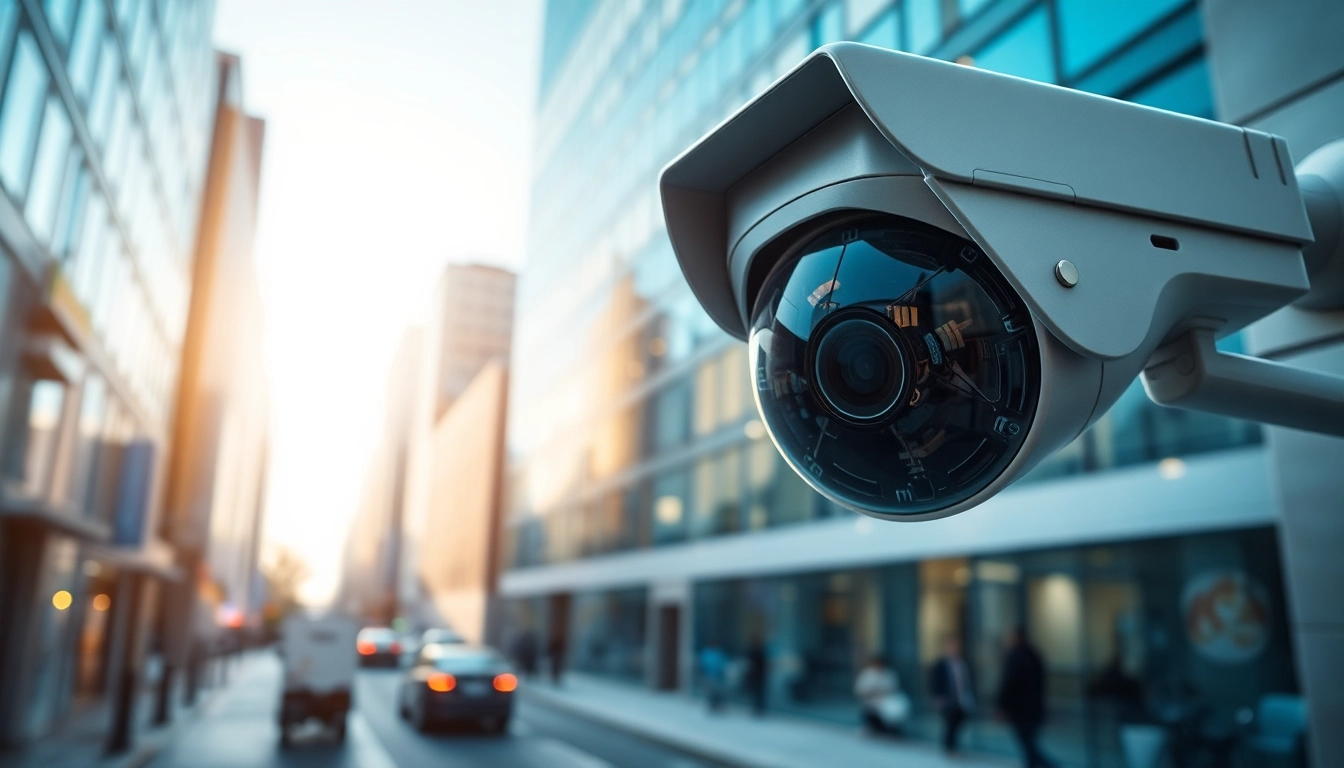
Introduction to Computer Vision for CCTV
In recent years, the landscape of security and surveillance has undergone a revolutionary transformation with the advent of computer vision for CCTV. This innovative technology combines traditional closed-circuit television (CCTV) systems with advanced artificial intelligence (AI) capabilities, enabling these systems to not only capture visual data but also interpret and analyze it in real-time. The integration of computer vision enhances the effectiveness of surveillance systems, providing a new layer of intelligence that has become essential for modern security applications.
Understanding Computer Vision and Its Role
Computer vision is a branch of artificial intelligence that empowers machines to interpret and understand visual information from the world, similar to how humans perceive images. By employing sophisticated algorithms, computer vision systems can identify objects, track movements, and make decisions based on visual input. In the realm of CCTV, this technology plays a vital role by transforming passive monitoring into active surveillance, which can detect threats and respond accordingly.
The Need for CCTV Enhancement
The traditional CCTV systems primarily serve the function of recording video footage, which can later be reviewed if an incident occurs. However, this reactive approach has limitations, particularly in high-traffic areas or large security settings. The necessity for proactive measures in surveillance has driven the demand for enhanced systems. Computer vision provides real-time analytics, enabling preemptive action against security threats, effectively making surveillance smarter and more efficient.
Basic Concepts of Machine Learning in Surveillance
At the core of computer vision technology in CCTV is machine learning, a subset of AI that allows systems to learn from data and improve over time without being explicitly programmed. In a surveillance context, machine learning algorithms can be trained to recognize patterns, distinguish between normal and abnormal behaviors, and detect anomalies. This capability not only aids in threat detection but also in streamlining operations by reducing false alarms and improving overall system responsiveness.
Core Technology Behind Computer Vision for CCTV
Key Algorithms Used in Computer Vision
Several algorithms underpin the functionality of computer vision for CCTV applications. Key approaches include:
- Convolutional Neural Networks (CNNs): These specialized neural networks are particularly effective in processing visual data, allowing the system to classify and detect objects within images with high accuracy.
- Image Segmentation: This technique helps in partitioning images into different segments, simplifying the analysis by focusing on specific regions of interest, such as human figures or vehicles.
- Optical Flow Algorithms: These are used for detecting movement by analyzing the pattern of apparent motion between consecutive frames, which is crucial for tracking objects in video footage.
Hardware Requirements for Optimal Functionality
The hardware utilized in conjunction with computer vision systems plays a crucial role in determining the effectiveness of surveillance solutions. Key components include:
- CCTV Cameras: High-resolution cameras with low-light capabilities are essential for capturing clear images, particularly in varying lighting conditions.
- Processing Units: Dedicated GPUs (Graphic Processing Units) enable faster data processing, essential for real-time analysis, especially in high-resolution environments.
- Network Infrastructure: Robust network solutions must be implemented to facilitate the smooth transfer of data between cameras and processing units, ensuring no loss of crucial information.
Data Processing and Analysis Techniques
Once data is captured, it must be processed effectively to yield actionable insights. Key techniques include:
- Real-Time Video Processing: This technique analyzes live feeds to identify incidents as they happen, allowing for immediate intervention.
- Data Archiving and Retrieval: Efficient storage solutions are necessary to manage large volumes of video data, enabling easy retrieval and analysis when required.
- Predictive Analytics: By applying historical data to current trends, systems can predict potential security threats and allow for preemptive measures.
Applications of Computer Vision in CCTV
Real-time Obstacle Detection and Recognition
One of the groundbreaking applications of computer vision for CCTV is real-time obstacle detection and recognition. This capability allows surveillance systems to identify and respond to obstructions in monitored areas. For instance, in retail settings, systems can recognize if stock is improperly placed, prompting staff to address the issue before it impacts business operations.
Facial Recognition and Security Monitoring
Facial recognition technology has gained significant traction within surveillance frameworks. Advanced algorithms can analyze facial features, enabling systems to identify individuals for both security and operational efficiencies. This technology plays a vital role in enhancing security measures in public spaces, ensuring that known offenders can be flagged automatically.
Automated Event Detection and Alert Systems
Automated event detection is another significant advancement made possible through computer vision for CCTV. Rather than relying on human surveillance, systems can utilize motion detection and anomaly detection algorithms to trigger alerts for unusual behavior. For example, if a person enters a restricted area, the system can automatically notify security personnel, significantly reducing response times.
Implementing Computer Vision for CCTV Solutions
Step-by-step Installation Guide
Implementing a computer vision system for CCTV requires careful planning and execution. The process typically follows these steps:
- Assess Security Needs: Begin by identifying the specific security requirements and areas of concern within the site.
- Select Appropriate Camera Systems: Choose cameras that meet the desired specifications for resolution, coverage, and features like night vision.
- Install Infrastructure: Set up the necessary network and processing infrastructure to support data flow and analysis.
- Install Software: Implement the computer vision software that will analyze the video feed from the cameras.
- Test the System: Conduct rigorous testing to ensure that the system operates as intended, making adjustments as necessary.
Choosing the Right Camera and Software
Choosing the right camera and associated software is essential for optimal performance. Factors to consider include:
- Camera Quality: Higher resolution cameras capture better detail, which is crucial for effective image analysis.
- Field of View: Select cameras that provide a broad field of view to cover more ground with fewer cameras.
- Software Compatibility: Ensure the chosen software aligns with the hardware and meets the specific security needs.
Testing and Calibration for Performance
Once installed, the new system must be thoroughly tested and calibrated to ensure accuracy. Regular testing can include assessing recognition rates for facial detection, response times for alerts, and the overall effectiveness of obstacle detection. Calibration should also account for environmental variables such as lighting and weather conditions, ensuring consistent performance across different scenarios.
Challenges and Future Trends in Computer Vision for CCTV
Privacy Concerns and Ethical Considerations
As the implementation of computer vision technology in CCTV grows, so do concerns surrounding privacy and ethics. The ability to track individuals and monitor behaviors raises questions about surveillance overreach and citizen rights. Establishing clear policies and transparent usage guidelines is essential to mitigate concerns while still harnessing the benefits of advanced surveillance systems.
Advancements in Artificial Intelligence Integration
AI integration continues to evolve, with innovations leading to more sophisticated algorithms capable of analyzing data with greater precision. Future trends suggest that systems will increasingly adopt deep learning methods, enhancing their ability to learn from diverse datasets, thereby improving accuracy in object and event detection.
Emerging Technologies Shaping Future Surveillance
Several emerging technologies are set to influence the future of computer vision for CCTV, including:
- IoT Integration: The Internet of Things enables connectivity between devices, allowing for smarter surveillance systems that share data across networks.
- 3D Vision Technology: This technology can add depth perception to surveillance systems, enabling better object recognition and movement tracking.
- Blockchain for Data Security: Integrating blockchain can enhance data security, ensuring that captured video feeds are tamper-proof.
FAQs
What is computer vision for CCTV?
Computer vision for CCTV refers to the integration of AI technology with traditional CCTV systems, enabling them to interpret and analyze visual data to enhance security.
How does facial recognition work in CCTV?
Facial recognition in CCTV uses algorithms to analyze and identify unique facial features, allowing for real-time identification of individuals in monitored areas.
What are the main benefits of using computer vision in surveillance?
Benefits include real-time threat detection, improved accuracy in identifying incidents, automated alerts, and reduced human error, leading to better overall security.
Can computer vision systems operate in low light?
Yes, with the right camera technology, such as low-light or infrared cameras, computer vision systems can effectively operate and analyze video footage in low-light conditions.
How should I choose software for a computer vision CCTV system?
Choose software that is compatible with your camera hardware, meets your specific needs for analysis, and supports necessary algorithms for detecting and identifying objects.