Understanding the Role of a Real Estate Photographer
In the competitive landscape of real estate, standing out is crucial. A skilled Real Estate Photographer not only captures stunning images but also tells a story through visuals, enhancing property listings and shaping buyer perceptions. This section delves into what sets real estate photographers apart from traditional photographers, emphasizing their unique skills and approaches.
What Makes a Real Estate Photographer Unique?
Real estate photographers are specialists who understand the nuances of lighting, composition, and staging. Unlike traditional photographers, they are trained to highlight the best features of a property, demonstrating how space can be utilized and experienced. Their expertise includes:
- Technical Skills: Mastery of photography techniques to create visually appealing images.
- Staging Knowledge: Understanding how to prepare a property for photos to enhance its appeal.
- Marketing Insight: Ability to create images that speak directly to potential buyers’ desires.
The Importance of High-Quality Imagery in Real Estate
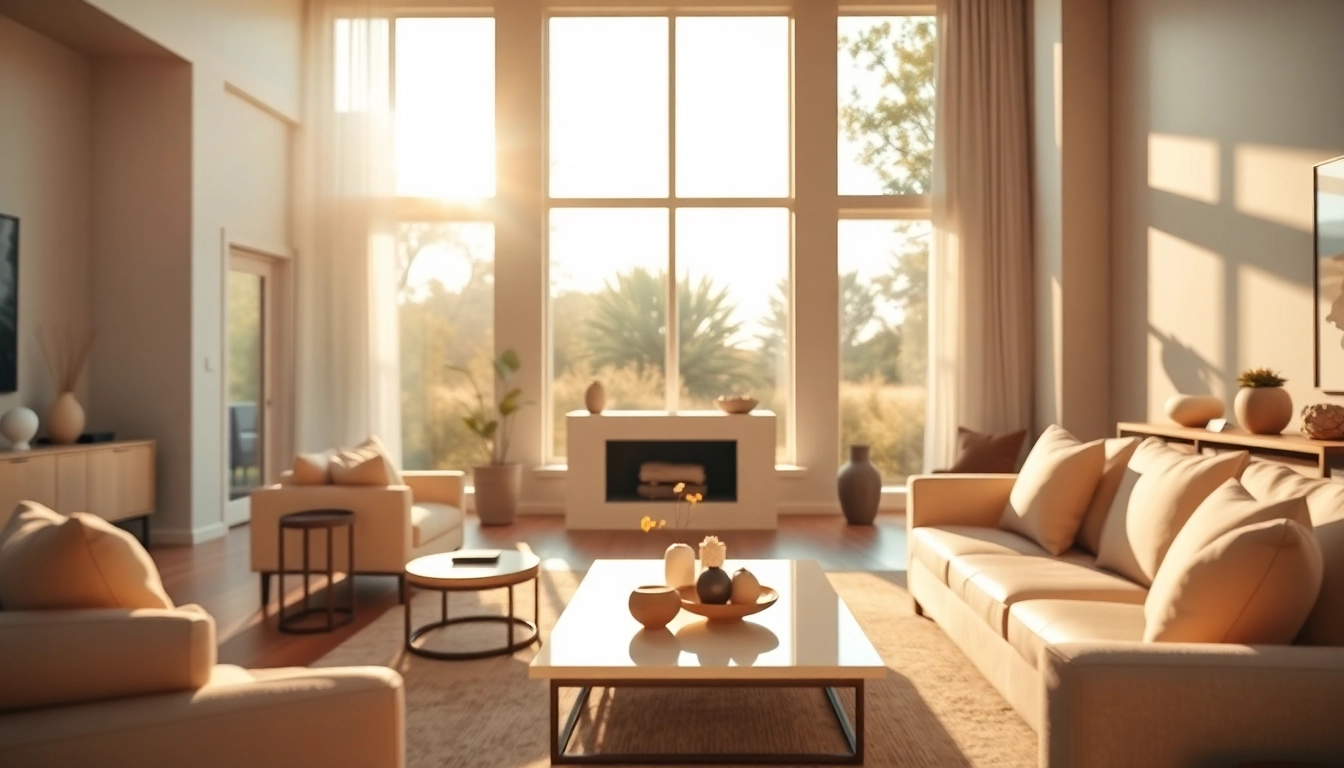
High-quality photography plays a pivotal role in the real estate market. Properties with professional images generate more interest and sell faster. According to studies, listings with professional photography receive over 60% more views online, significantly enhancing the likelihood of a sale. Quality images not only attract buyers but also create a positive impression of real estate agents and their services.
Common Techniques Used by Real Estate Photographers
Real estate photographers employ a variety of techniques to ensure properties are showcased in the best light:
- Wide-Angle Lenses: To capture more of a room and make spaces look larger.
- Bracketing and HDR: To manage difficult lighting situations and produce well-exposed images.
- Staging Techniques: Arranging furniture and decor to create an inviting atmosphere.
Essential Equipment for Real Estate Photography
To achieve stunning imagery, specific gear and tools are necessary. A real estate photographer's equipment must be diverse and versatile to adapt to various settings and lighting conditions.
Cameras and Lenses Optimal for Real Estate
The foundation of every photographer’s toolkit is the camera. Real estate photographers typically use DSLR or mirrorless cameras that offer high-resolution images. Some popular lenses include:
- Wide-Angle Lenses (16-35mm): Essential for capturing interiors and making spaces appear larger.
- Standard Zoom Lenses (24-70mm): Versatile for different compositions and angles.
Lighting Tools to Enhance Property Features
Proper lighting can transform ordinary images into extraordinary visual representations of properties. Key lighting tools include:
- External Flashes: Help illuminate dark areas, ensuring even lighting.
- Softboxes: Providing diffused lighting to create a softer look without harsh shadows.
- Continuous Lighting Kits: Useful for videography and capturing stills in low light.
Post-Processing Software for Stunning Visuals
Post-processing is crucial for enhancing and refining property images. Some widely-used software includes:
- Adobe Lightroom: Ideal for organizing photos and basic edits.
- Adobe Photoshop: For advanced editing options, including retouching and manipulation.
- Photomatix: Great for HDR processing to blend multiple exposures seamlessly.
Best Practices for Capturing Properties
Capturing stunning property images is an art form requiring a strategic approach. Photographers must ensure every shot tells a story and highlights the property’s features effectively.
Preparing Spaces for Photography Shoots
Preparation is key to achieving great photos. Photographers often collaborate with homeowners or real estate agents to stage a property effectively. Some preparation tips include:
- Decluttering: Removing personal items and unnecessary furniture to create a clean look.
- Cleaning: Ensuring surfaces are clean and well-maintained enhances the visual appeal.
- Staging: Arranging furniture to highlight the functionality of rooms.
Effective Composition and Framing Techniques
Good composition is essential in real estate photography. Key techniques include:
- Rule of Thirds: Positioning key elements along the grid lines to create balance.
- Leading Lines: Using architectural elements to guide the viewer's eye through the image.
- Framing: Using doorways or windows to add depth and context to the image.
Using Angles to Highlight Key Features
Finding the right angles can make a significant difference in how a property is perceived. Some tips include:
- Eye Level Shots: The most natural perspective simulating what a person would see standing in the room.
- Low Angle Shots: Useful for showcasing high ceilings and spaciousness in a room.
- Diagonal Angles: Can create dynamic compositions that emphasize depth and perspective.
Creating a Portfolio as a Real Estate Photographer
A strong portfolio is vital for attracting new clients and showcasing expertise. This section covers how to build an effective portfolio that highlights your skill as a real estate photographer.
Showcasing Your Work Effectively
Your portfolio should reflect the range and quality of your work. Consider the following strategies when creating your portfolio:
- Diverse Property Types: Include various property types (residential, commercial, luxury) to appeal to different audiences.
- Before-and-After Comparisons: Show the impact of staging and professional photography.
- Testimonials: Include feedback from satisfied clients to establish credibility.
Building an Online Presence and Brand
In today’s digital age, having a robust online presence is indispensable. Strategies include:
- Website: Design a professional website showcasing your portfolio, services, and contact information.
- Social Media: Utilize platforms like Instagram to share visual content and engage with potential clients.
- Blogging: Offer valuable insights and tips on real estate photography to attract visitors to your site.
Networking with Real Estate Agents and Destinations
Building relationships within the real estate industry can lead to valuable referrals. Recommendations to consider include:
- Attend Industry Events: Networking at real estate seminars and expos.
- Collaborate: Work with real estate agents to help them market properties effectively.
- Join Professional Organizations: Connect with others in the field for additional networking opportunities.
FAQs: Common Questions About Real Estate Photography
Do real estate photographers make a lot of money?
The average salary of a real estate photographer varies by location and experience, averaging around $53,035 annually.
What do clients look for in a real estate photographer?
Clients seek professionalism, creativity, high-quality images, and a quick turnaround to help sell properties faster.
What is the best time of day for real estate photography?
Golden hour—shortly after sunrise or before sunset—provides the best natural light for inviting photos.
How can I choose the right real estate photographer?
Look for portfolios with diverse styles, read reviews, and ensure they have experience with real estate projects.
Is drone photography useful for real estate?
Yes, drone photography offers unique aerial views that can enhance listings, showcasing property size and surrounding landscapes.