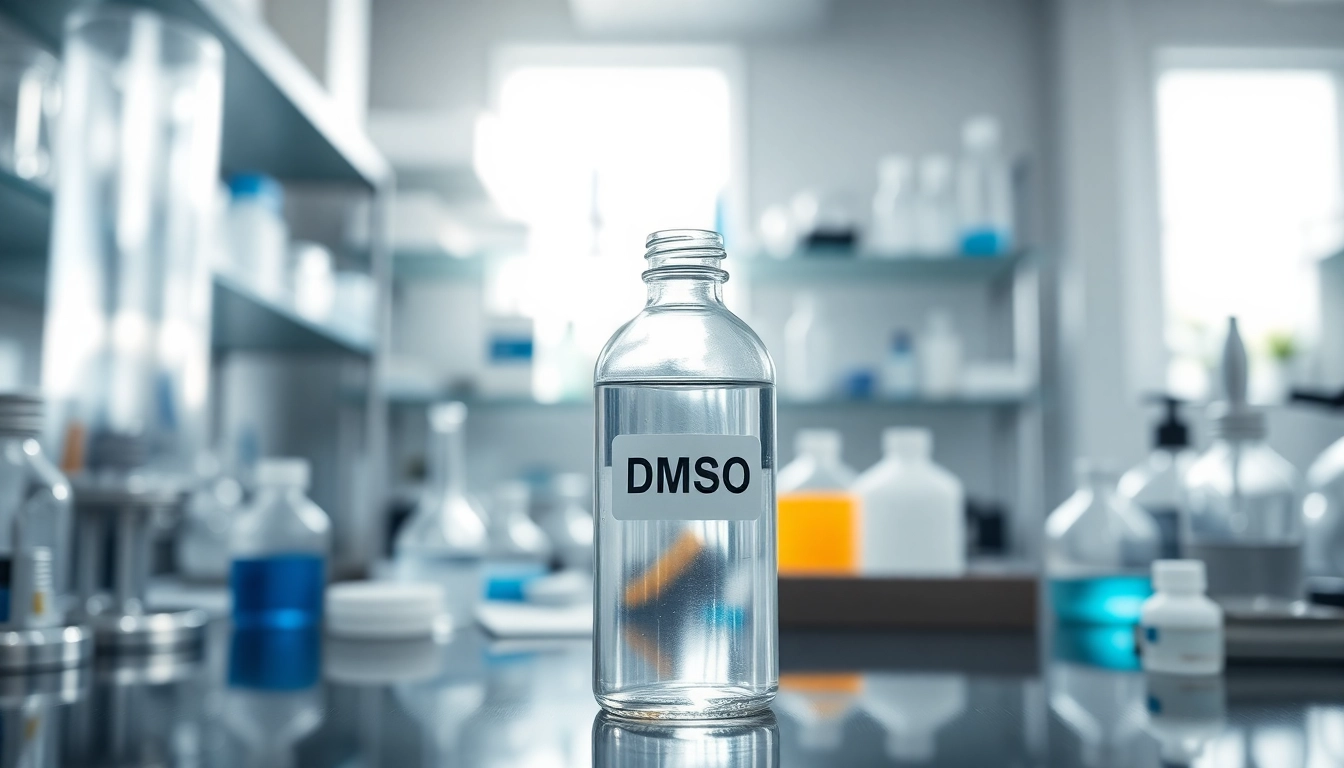
Understanding DMSO and Its Benefits
What is DMSO?
Dimethyl sulfoxide (DMSO) is a colorless and odorless organic compound with the molecular formula C₂H₆OS. First synthesized in the 19th century as a byproduct of wood pulping, it has garnered attention for its unique properties as a solvent and its potential therapeutic benefits. DMSO is known for its incredible ability to penetrate biological membranes, making it an effective carrier for other drugs and compounds. Its wide-ranging applications span multiple fields, including pharmacology, biochemistry, and even veterinary medicine.
Health Benefits of DMSO
DMSO is heralded for its myriad health benefits, primarily its anti-inflammatory and analgesic properties. It has been studied extensively for managing pain and inflammation characteristic of conditions such as arthritis, sports injuries, and inflammatory diseases. Users have reported relief from joint pain and stiffness, making it an appealing option for those seeking alternative therapies. Furthermore, DMSO's role as a powerful antioxidant also contributes to its use in wound healing and reducing oxidative stress.
Applications in Medicine
The applications of DMSO in medicine are vast. It is commonly utilized as a solvent for drugs due to its ability to dissolve both polar and nonpolar substances. Additionally, it is being researched for its ability to enhance the efficacy of various medications, particularly when applied topically or injected. DMSO is frequently used in clinical settings to treat conditions ranging from chronic pain to skin lesions, and even in cryopreservation techniques where it helps protect cells from damage during freezing.
Why Choose DMSO for Personal Health?
Comparing with Other Solvents
DMSO stands out in comparison to other solvents due to its biocompatibility and safety profile. While many polar solvents like ethanol or methanol can be toxic or irritating to tissues, DMSO is generally recognized as safe for many medical applications. Its unique ability to promote the absorption of drugs into tissues further enhances its utility over conventional solvents. For individuals seeking both effectiveness and safety in treatment options, DMSO is a compelling choice.
Potential Side Effects
Despite its benefits, DMSO is not without potential side effects. Some users may experience skin irritation, a garlic-like taste, or odor when applied topically. In rare cases, allergic reactions can occur. It's also crucial to note that DMSO can carry impurities from the skin into the bloodstream, which makes it imperative to consult with healthcare professionals regarding appropriate usage and conditions. Individuals should be aware of these risks and monitor their responses when using DMSO.
Consulting with Healthcare Professionals
Before embarking on a treatment plan involving DMSO, it's essential to consult with a healthcare professional who is knowledgeable about its uses. They can provide tailored advice, recommend suitable dosages, and monitor for adverse effects. This professional oversight is particularly vital for individuals with existing health conditions or those taking other medications, ensuring that DMSO is used safely and effectively in conjunction with other treatments.
How to Effectively Place a DMSO Order
Choosing the Right Supplier
Selecting a reputable supplier is crucial when considering a dmso order. Look for companies that adhere to high quality standards and provide transparent information about their sourcing and manufacturing processes. It is wise to read customer reviews and check for any certifications that indicate the purity and quality of the DMSO being sold. Suppliers who offer product testing results can instill confidence in the quality of their offerings.
Understanding Different Forms
DMSO is available in various forms, including liquid, gel, and cream preparations. Each form offers unique benefits depending on the intended use. For instance, topical gels may be preferred for localized pain relief, while liquid forms can be more versatile for alternatives in application. Understanding the different formulations allows users to make informed decisions that align with their specific health needs.
What to Look for in Quality
When evaluating DMSO products, purity is paramount. Aim for pharmaceutical-grade DMSO, which should contain a minimum purity of 99.9%. Verify that the product undergoes rigorous testing for contaminants and impurities. Moreover, packaging matters; DMSO should ideally be stored in dark, opaque containers to protect it from light exposure. This attention to detail ensures that the product maintains its effectiveness and safety over time.
Best Practices for DMSO Usage
Storage and Handling
Storing DMSO correctly is essential to preserving its integrity. Store it in a cool, dark place to prevent degradation. Ensure that containers are tightly sealed to avoid contamination. It is also crucial to label containers clearly and include safety information to mitigate risks associated with accidental spills or exposure. Proper handling practices are vital to ensure both safety and effectiveness.
Dosage Guidelines
Dosage recommendations for DMSO can vary based on the condition being treated and the form of DMSO used. Generally, smaller doses are advised initially to assess tolerance, gradually increasing as necessary. When applying topically, a small amount can be massaged into the skin, while oral or injectable forms should only be taken under medical guidance. Consultation with a healthcare provider is essential to establish personalized dosage instructions.
Safety Measures
Safety should always be a priority when using DMSO. Those who plan to apply it topically must ensure that the skin is clean and free from any other products, as DMSO can act as a carrier for unwanted substances. Wearing gloves during application can also minimize the risk of skin irritation. Additionally, users should be aware of potential interactions with other medications, especially any that may also affect blood pressure or clotting.
Frequently Asked Questions about DMSO
How do you administer DMSO?
DMSO can be administered topically, orally, intravenously, or intramuscularly. The method depends on the condition being treated and should follow medical guidance.
Is DMSO safe for everyone?
DMSO is generally safe for many people, but it may cause side effects in some. Consulting a healthcare provider is essential before starting treatment, especially for those with underlying conditions.
Can you combine DMSO with other treatments?
Yes, DMSO can be used alongside various treatments. However, discussing this with a healthcare provider is important, as it may enhance or interfere with certain medications.
What purity levels should I look for?
For therapeutic use, look for DMSO with a purity of 99.9% or higher. Pharmaceutical-grade products offer the best safety and effectiveness.
What are common misconceptions about DMSO?
A common misconception is that DMSO is only a pain reliever. In reality, it also serves as a powerful antioxidant and drug carrier, with a range of applications in medicine.