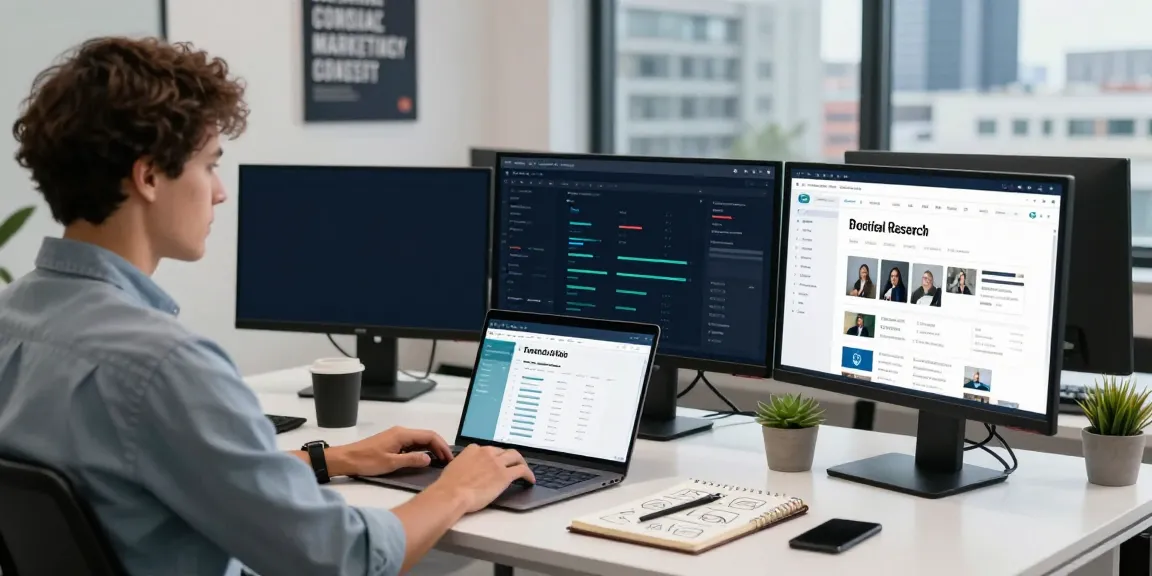
Understanding IT Support for Business
What is IT Support?
IT support encompasses a range of services designed to protect and manage a company’s technology infrastructure. This includes troubleshooting software and hardware issues, conducting system maintenance, providing technical assistance to employees, and managing network security. Through a structured approach to IT support, businesses can ensure minimal disruption, keep operations running smoothly, and align their technological needs with their business goals. For organizations aiming to enhance their prowess, professional it support for business can be a game changer.
Why IT Support is Essential for Businesses
In today’s digital age, the reliance on technology across all business sectors is greater than ever. Here are several key reasons why IT support is essential:
- Minimizing Downtime: Any technical disruption can lead to significant downtime, resulting in lost revenues and dissatisfied customers.
- System Security: Cybersecurity threats are on the rise; effective IT support helps safeguard sensitive data and protects against breaches.
- Operational Efficiency: With dedicated IT support, businesses can streamline operations and increase productivity through the effective use of technology.
- Scalability: IT support allows businesses to scale their technological resources as needed, enabling growth without the growing pains.
- Expertise and Innovation: Access to skilled professionals ensures businesses stay updated with the latest technological advancements and best practices.
Key Features of Quality IT Support
Identifying quality IT support services can dramatically influence the success of a business's operations. Here are key features to consider:
- 24/7 Support: Round-the-clock access to assistance ensures that help is available whenever issues arise, minimizing business disruption.
- Proactive Monitoring: Continuous monitoring of systems allows for the identification and resolution of issues before they escalate into serious problems.
- Comprehensive Service Offering: Quality IT support should include helpdesk support, infrastructure management, cybersecurity services, and cloud solutions.
- Tailored Solutions: Recognizing that no two businesses are alike, effective IT support should be customizable to fit specific business needs.
- Transparent Communication: Clear communication helps ensure that clients know what support they are receiving, contributing to a more collaborative working relationship.
Common Challenges in IT Support for Business
Identifying Technical Issues
Technical issues can arise unexpectedly and vary in complexity. Identifying problems can be challenging, especially when symptoms are vague. Quality IT support services use diagnostic tools and expertise to pinpoint root causes efficiently, ensuring quick fixes.
Resource Allocation and Management
Proper management of IT resources is vital. Often, businesses struggle with not having enough IT staff or resources to address their challenges. Efficient allocation allows IT support teams to focus on critical issues while addressing less urgent tasks through a ticketing system that prioritizes incidents.
Preventing Downtime
Downtime can be disastrous. IT support must implement redundancy measures, regular maintenance schedules, and contingency plans to prevent interruption to business operations. Developing a framework for rapid response and recovery can significantly enhance resilience.
Best Practices for IT Support Teams
Implementing Proactive Support Strategies
Instead of waiting for issues to occur, proactive support strategies focus on preventing them. This includes regular system updates, cybersecurity training, and routine system audits. By anticipating potential problems, businesses can avoid crises before they arise.
Effective Communication with Clients
Clear and open communication is essential for successful IT support. Setting expectations regarding response times, channeling communication effectively, and providing updates about ongoing issues fosters trust and satisfaction amongst clients.
Continuing Education and Training
The IT landscape is constantly evolving, and regular training for support staff keeps them updated with the latest technology trends and practices. Investing in continuous education ensures that the IT team can effectively address new challenges as they arise.
Choosing the Right IT Support for Your Business
Evaluating Service Providers
Choosing the right IT support service involves thorough evaluation. Consider factors like experience in your industry, the scope of services offered, customer reviews, and response time. Conduct interviews to gauge compatibility and commitment to customer service.
Cost Considerations and Budgeting
Cost is a significant factor when choosing an IT support partner. Understanding how pricing structures work—such as pay-as-you-go versus monthly retainer—can help businesses budget for IT support services without unforeseen expenses.
Customizing Support Services
Every business has unique needs. Customizing support services allows businesses to ensure they receive precisely what they require without wasting resources on unnecessary services. Engaging in consultations can help outline specific needs and solutions.
Measuring Success of IT Support Services
Key Performance Indicators for IT Support
Measuring the effectiveness of IT support services can be accomplished through established key performance indicators (KPIs). Common KPIs include ticket resolution time, customer satisfaction scores, and the volume of resolved issues within a given time frame. Regularly analyzing these metrics aids in assessing performance and areas for improvement.
Client Feedback and Satisfaction
Soliciting feedback from clients about their experience with IT support services helps identify strengths and weaknesses in the services provided. By implementing necessary changes based on feedback, support teams can ideally enhance service quality and client satisfaction.
Continuous Improvement in IT Support
IT support is not a one-time service but an evolving process. Engaging in regular reviews of service efficacy and technology changes helps ensure that the IT support provided aligns with business needs and can adapt to new challenges as they arise.
FAQs
What types of support do IT support services offer?
IT support services typically include technical assistance for hardware and software, cybersecurity measures, network management, and proactive monitoring of systems.
How can I assess my business's IT needs?
Evaluate your current technology usage, identify pain points, consider future growth, and analyze your budget constraints to assess your IT needs effectively.
How important is cybersecurity in IT support?
Cybersecurity is crucial as businesses face growing threats. A reliable IT support service must include robust security protocols to safeguard sensitive data.
What should I consider when selecting an IT support provider?
Look for experience, range of services, customer reviews, responsiveness, and whether they offer customizable solutions tailored to your specific needs.
How often should businesses conduct IT reviews?
Regular IT reviews should ideally occur annually or bi-annually, with ongoing assessments as needed, especially when significant changes to systems or operations arise.
Connection Technologies Contact Information
Head Office Address:Fareham Innovation Centre, Merlin House, 4 Meteor Way, Fareham, Lee-on-the-Solent, PO13 9FU, United KingdomEmail Us:[email protected]Email Us:[email protected]Email Us:[email protected]Email Us:[email protected]Phone Number:0333 015 2615Opening Hours:Monday To Thursday: 9:00 AM To 5:30 PMOpening Hours:Friday: 9:00 AM To 4:30 PM