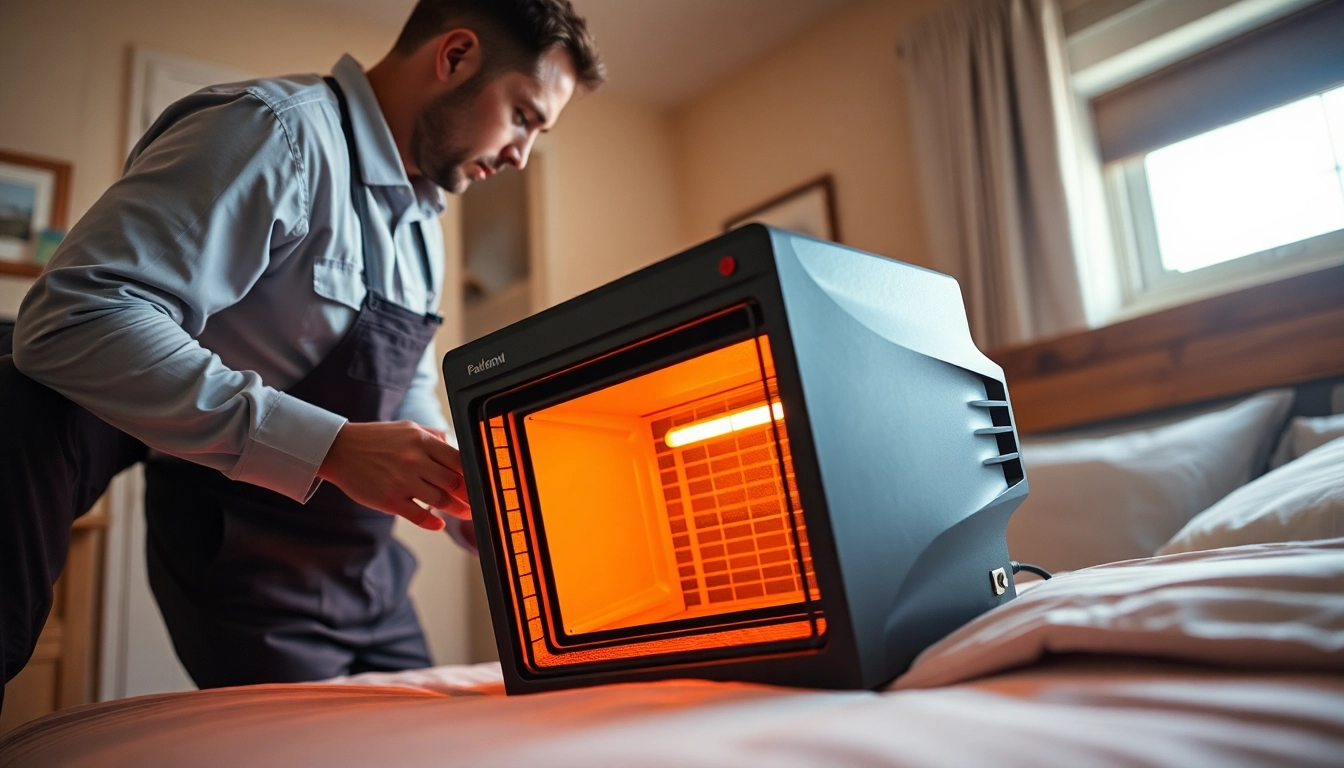
Understanding Bed Bug Heat Treatment
What is Bed Bug Heat Treatment?
Bed bug heat treatment is a method of pest control that uses high temperatures to eliminate bed bugs at all life stages—eggs, nymphs, and adults. This non-chemical approach involves elevating the temperature in infested spaces to a level lethal to bed bugs, typically around 120°F to 140°F (49°C to 60°C). Effective compared to traditional insecticides, bed bug heat treatment has gained popularity due to its efficacy and lack of toxicity to humans and pets.
How Does Bed Bug Heat Treatment Work?
The principle behind heat treatment lies in thermobiology—the study of how living organisms respond to temperature. Bed bugs are ectothermic, meaning their body temperature aligns with the environment. When exposed to heat above 120°F, bed bugs begin to die within minutes. By maintaining elevated temperatures for a set duration (usually 4-6 hours), all life stages are effectively eradicated. Heat penetrates walls, furniture, and all hiding places—treating areas that sprays might miss.
Advantages of Bed Bug Heat Treatment
There are several advantages to choosing heat treatment over traditional chemical applications:
- Non-Toxic: Unlike sprays and powders, heat treatments rely on thermal energy, making them safe for households with children or pets.
- Effective Against All Life Stages: Heat kills bed bugs at every stage of development, including eggs, which are often resistant to chemical treatments.
- Speed: Most heat treatments can be completed in one day, minimizing the disruption to daily life.
- Environmental Benefits: This method is eco-friendly since it does not introduce harmful chemicals into your environment.
Preparing for Bed Bug Heat Treatment
Assessing the Infestation
Before treatment, a thorough assessment of the infestation is crucial. Look for signs of bed bugs, such as rust-colored spots (excrement), shed skins, and live bugs. Inspect common hiding spots like mattress seams, bed frames, furniture cracks, and baseboards. Engaging a professional exterminator who specializes in heat treatment can assist in accurately diagnosing the extent of the infestation.
What to Expect Before Treatment
Once you've decided on heat treatment, there's typically a preparatory phase. You will need to clear rooms of items that can be damaged by heat, such as electronic devices and heat-sensitive materials. In addition, all clothing, bedding, and fabric items should be washed and dried on high heat to kill any bed bugs or eggs present. Professionals often provide a checklist to ensure that you're adequately prepared.
Safety Precautions for Homeowners
Safety is paramount when performing heat treatment. Homeowners should ensure that:
- All combustible items (like aerosol cans, cosmetics, and certain plant materials) are removed from the treatment area.
- Pets are relocated away from the home for the duration of the treatment.
- The heating equipment is operated safely according to professional guidelines to prevent overheating and damage to your property.
The Treatment Process Explained
Setting Up the Treatment Area
The treatment area must be sealed to command effective heating. Technicians will often place specialized heaters optimally within the space, ensuring even distribution of heat. Sensors may be used to monitor temperature levels in various parts of the room. This setup is essential to achieving uniform temperatures throughout, which prevents surviving bed bugs in cooler areas.
Temperature Guidelines for Effectiveness
Studies indicate that maintaining a temperature of 120°F for a minimum of 90 minutes will effectively kill all bed bug life stages. Higher temperatures—up to 140°F—can yield faster results but require careful monitoring to avoid damage to the property. A professional will use infrared thermometers to ensure consistent temperatures throughout the infusion space.
Duration of the Treatment
Typically, the treatment takes 4-6 hours, depending on the severity of the infestation and the size of the treated area. During this time, it's crucial not to enter the treated area, as exposure to high temperatures may cause burns or heat-related illnesses. After completing the treatment, technicians will ventilate the area to normalize temperatures and allow residents to return safely.
Post-Treatment Care and Monitoring
What to Check After Treatment
Post-treatment, it's important to monitor the area for any signs of bed bugs returning. Check for live bugs, fecal matter, and cast skins, typically around furniture, bed joints, and electrical outlets. In addition, a follow-up inspection within a month can help confirm that the problem has been effectively addressed.
Signs of Remaining Bed Bugs
Even after a thorough treatment, some signs may still indicate the presence of bed bugs. Symptoms to watch for include:
- New bites on exposed skin, often appearing in a line or cluster.
- Rust-colored stains on bedding or surfaces, indicating bed bug excretion.
- Noticeable itching or skin irritation without explanation.
Long-term Prevention Strategies
To prevent future infestations, consider implementing these strategies:
- Regularly inspect sleeping areas and common hiding spots for signs of bed bugs.
- Seal cracks and crevices in baseboards, walls, and furniture to reduce hiding spots.
- Encase mattresses and box springs in bed bug-proof covers.
- Consider using bed bug monitors, typically a small device that alerts you to the presence of these pests.
Frequently Asked Questions About Bed Bug Heat Treatment
What is the ideal temperature for effective heat treatment?
The ideal temperature for bed bug heat treatment is typically between 120°F to 140°F. Continuing at this temperature for 90 minutes or longer will ensure effective extermination.
Can I stay in my home during bed bug heat treatment?
It is advised to vacate your home during the treatment process. The high heat poses a risk to human health and safety, and it’s crucial for achieving optimal extermination.
How long does bed bug heat treatment typically take?
The treatment process usually lasts about 4-6 hours. This duration may vary depending on the size of the area being treated and the intensity of the infestation.
Is bed bug heat treatment safe for pets and children?
Bed bug heat treatment, when performed by professionals, is generally safe for pets and children. However, pets should be removed from the area until it’s returned to a normal temperature.
What are common mistakes to avoid during bed bug heat treatment?
Common mistakes include not properly preparing the treatment area, failing to follow safety precautions, and neglecting to monitor temperatures effectively. Engaging a trained professional minimizes these risks.