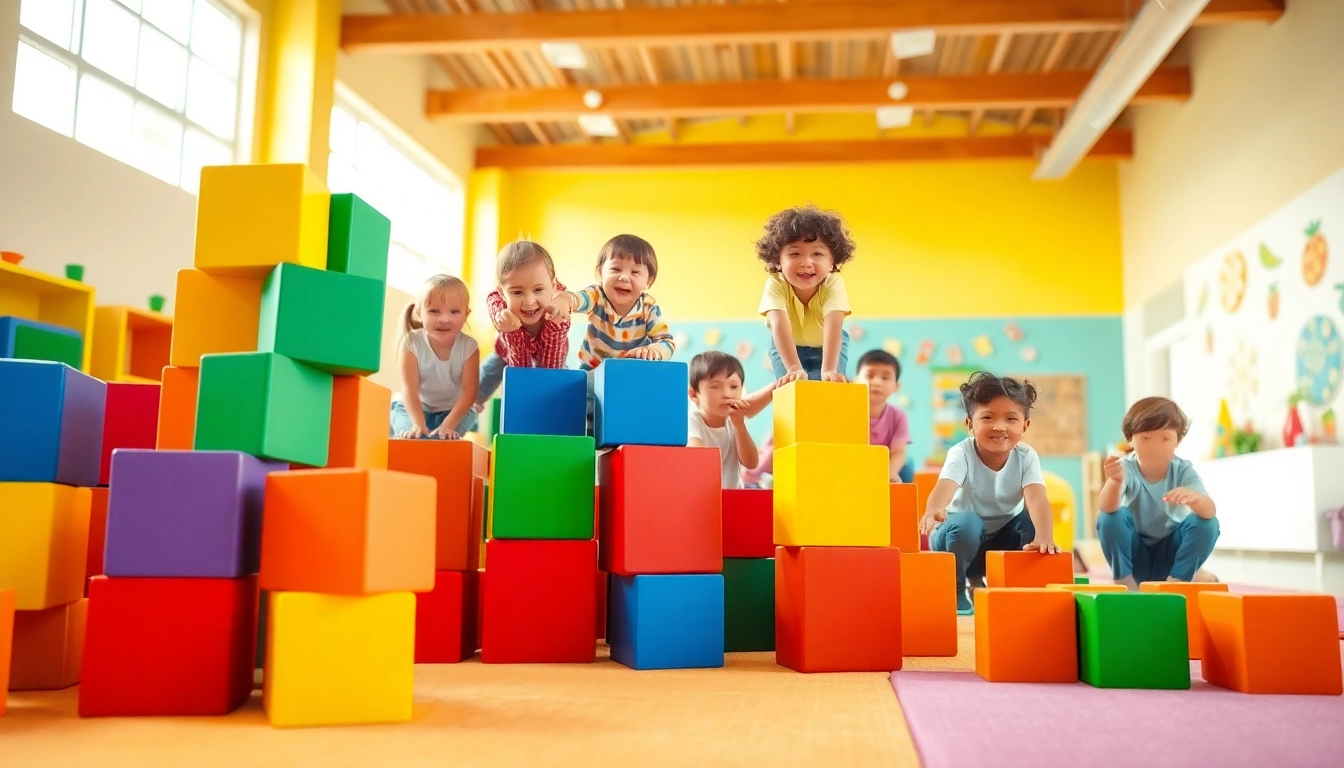
Understanding the Appeal of Giant Foam Building Blocks
What Are Giant Foam Building Blocks?
Giant foam building blocks are oversized blocks made from soft, durable foam, designed primarily for children to play with. They typically come in various shapes and vibrant colors, allowing children to explore their creativity as they construct structures, landscapes, and imaginative worlds. Unlike traditional building blocks, these foam versions are much larger, making them suitable for group play, promoting social interaction, and collaborative building efforts.
Why Choose Foam Over Traditional Blocks?
Foam blocks offer several advantages compared to traditional wooden or plastic blocks. Firstly, their lightweight nature means they are safer for young children to handle, reducing the risk of injury during play. Foam blocks are also quieter, which can be an asset in homes or play areas where noise management is essential. Furthermore, the soft material allows for more imaginative scenarios, as children can build grand structures without fear of damaging themselves or their surroundings.
The Educational Benefits of Playing with Foam Blocks
Engaging with giant foam building blocks is more than just entertainment; it’s an educational experience packed with numerous developmental benefits. As children manipulate the blocks, they strengthen their fine motor skills and hand-eye coordination. Moreover, the process of building encourages critical thinking and problem-solving as children strategize how to create stable structures. It also serves to enhance their spatial awareness and understanding of basic engineering principles, laying the groundwork for future learning in STEM (science, technology, engineering, and mathematics) fields.
Safety Considerations When Using Foam Blocks
Choosing Non-Toxic Materials for Safe Play
When selecting foam building blocks, it’s essential to prioritize safety by choosing sets made from non-toxic, BPA-free materials. Many reputable manufacturers ensure that their products are compliant with safety regulations, making them suitable for toddlers and older children. Always check for certifications and labels indicating that the foam is safe, free from harmful chemicals, and suitable for the intended age group to give peace of mind during playtime.
Supervision Tips for Young Children
Even with the softest play materials, supervision is crucial, especially with young children. Adults should actively engage while children play, ensuring they use the blocks correctly to avoid any accidental falls or mishaps during enthusiastic building sessions. Additionally, setting guidelines for safe play—like not climbing excessively high on their creations—can prevent injuries and promote a safe environment where children can explore their creativity.
Maintaining a Safe Play Environment
The play area should be designed to be as safe as possible. This involves ensuring a clean space, free from sharp objects or clutter that could lead to accidents. Using foam blocks on surfaces like carpets or cushioned mats can further minimize any potential injuries during play. Regular inspections of the blocks for wear and tear, ensuring they remain in good condition, is also essential for maintaining safety.
Creative Play Ideas with Giant Foam Building Blocks
Building Imaginative Structures with Kids
Encouraging children to create imaginative structures helps foster their creativity and boosts their self-esteem. One way to inspire children is by presenting themes such as castles, rockets, or animal habitats, allowing them to focus their building efforts. Parents and caregivers can introduce guided play sessions where they can collaborate on larger projects, instilling a sense of teamwork. For example, building a giant fort can become a fun group activity that also enhances communication skills.
Incorporating Learning into Playtime
Foam blocks can be used to incorporate learning into playtime seamlessly. Create games and challenges that require counting, sorting by color or size, and even basic arithmetic. For instance, a game could involve asking kids to stack blocks in a sequence or build a structure with a specified number of blocks, integrating math skills into their building play. Such activities not only challenge young minds but also keep them engaged and excited about learning.
Using Foam Blocks for Theme-Based Activities
Foam blocks can serve as fantastic tools for theme-based learning activities. For example, during a transportation theme, children can build different modes of transport like cars, boats, or planes, thereby integrating storytelling with physical play. This method encourages children to think creatively while also learning about different concepts related to the theme. Creative play with foam blocks can provide valuable lessons about real-world applications and engage children's imaginations fully.
Best Ways to Store and Organize Foam Blocks
Simple Storage Solutions for Small Spaces
Effective storage solutions can prevent clutter and make it easier for children to access their foam blocks. Using stackable bins or large storage boxes specifically designed for foam building blocks can optimize space and ensure that everything remains organized. Clear bins can allow children to spot their favorite colors and shapes easily, encouraging independence in playtime setup.
Creative Displays That Encourage Play
Consider incorporating creative display solutions that not only organize foam blocks but also serve as an invitation to play. Wall-mounted racks or shelving units can serve as decorative storage, while also making blocks visible and accessible. Placing foam blocks within easily reachable containers encourages children to spontaneously engage with them, increasing opportunities for play and learning.
Cleaning and Maintaining Foam Blocks
Keeping foam blocks clean is essential for maintaining their longevity and hygiene. Regularly wiping them down with mild soap and water will help remove dirt and bacteria. Ideally, plan to perform deeper cleanings periodically, especially if the blocks are frequently used in shared spaces. Always dry them thoroughly before storing to prevent mildew or odors from developing.
Frequently Asked Questions about Giant Foam Building Blocks
How do I choose the right foam blocks for my child?
Look for sets that are age-appropriate, made of non-toxic materials, and come in various sizes and colors to match your child's interests.
Can giant foam blocks be used outdoors?
Yes, many foam blocks are suitable for outdoor use; however, ensure they are stored indoors when not in use to prolong their lifespan.
Are foam blocks safe for toddlers?
Absolutely; foam blocks are designed to be soft and safe, yet always supervise toddlers during play to prevent accidents.
What activities can I do with foam blocks?
You can create themed structures, engage in counting exercises, or use them for storytelling, promoting both creative and educational play.
How should I store my foam building blocks?
Use stackable bins or containers that keep them organized and easily accessible, promoting independent play while keeping your space tidy.
For more in-depth information on foam building blocks, you can get the details that will enhance your understanding and elevate playtime experiences.