
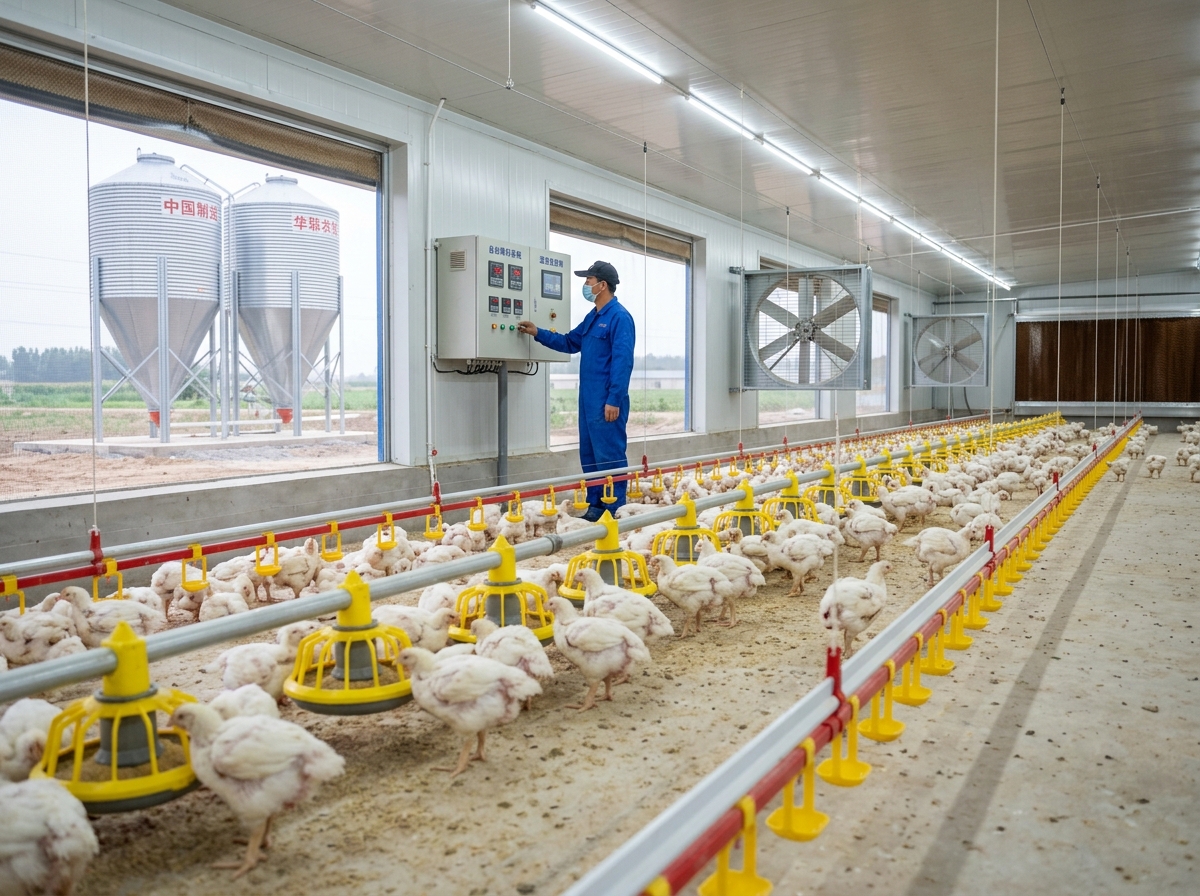
In today’s highly competitive poultry industry, automation and efficiency are essential for sustainable growth. A chicken slaughtering machine has become a core piece of equipment for processing plants that aim to improve productivity, ensure hygiene, and reduce operational costs. With rising global demand for poultry products, the role of a chicken slaughtering machine is more important than ever. Modern facilities increasingly rely on a chicken slaughtering machine to maintain consistent output and meet strict food safety standards.
This article explores the structure, function, benefits, and future trends of a chicken slaughtering machine, helping businesses understand how to maximize efficiency in poultry processing operations.
Overview of Chicken Slaughtering Machine in Poultry Industry
A chicken slaughtering machine is designed to automate the entire poultry processing workflow, including stunning, bleeding, scalding, defeathering, and cleaning. A modern chicken slaughtering machine significantly reduces manual labor while improving processing speed and consistency. In large-scale facilities, a chicken slaughtering machine is essential for maintaining continuous production without interruptions.
The adoption of a chicken slaughtering machine also ensures better hygiene control. Since the chicken slaughtering machine minimizes human contact with raw poultry, it reduces contamination risks. Additionally, a chicken slaughtering machine helps standardize production output, making it easier for factories to meet market demands efficiently.
Key Components of Chicken Slaughtering Machine Systems
A modern chicken slaughtering machine consists of several integrated components that work together to ensure smooth processing. Each part of the chicken slaughtering machine plays a critical role in maintaining efficiency and quality.
Stunning and Conveying System
The first stage of a chicken slaughtering machine involves stunning the poultry humanely before processing. The conveying system then transports birds through each stage of the chicken slaughtering machine, ensuring a continuous workflow.
Scalding Unit
The scalding section of a chicken slaughtering machine prepares the birds for defeathering. Temperature control in this part of the chicken slaughtering machine is essential for achieving optimal results without damaging the product.
Defeathering Section
The defeathering unit is one of the most important parts of a chicken slaughtering machine. It efficiently removes feathers while maintaining product integrity. A high-quality chicken slaughtering machine ensures uniform defeathering results.
Evisceration System
The evisceration stage of a chicken slaughtering machine removes internal organs in a hygienic and controlled manner. This section of the chicken slaughtering machine is critical for food safety compliance.
Working Principle of Chicken Slaughtering Machine
The working principle of a chicken slaughtering machine is based on a continuous automated flow system. A chicken slaughtering machine starts by receiving live poultry and guiding them through a series of processing stages. Each stage of the chicken slaughtering machine is synchronized to maintain efficiency and reduce downtime.
Automation allows the chicken slaughtering machine to operate with minimal human intervention. Sensors and control systems in the chicken slaughtering machine ensure precision at every step. This integrated operation makes the chicken slaughtering machine highly reliable for industrial-scale production.
Benefits of Using Chicken Slaughtering Machine
A chicken slaughtering machine provides numerous advantages for poultry processing businesses. One of the main benefits of a chicken slaughtering machine is increased production efficiency. By automating tasks, a chicken slaughtering machine significantly reduces processing time.
Another major benefit of a chicken slaughtering machine is cost reduction. With fewer labor requirements, a chicken slaughtering machine helps companies lower operational expenses. Additionally, a chicken slaughtering machine improves product consistency, ensuring that each processed chicken meets uniform standards.
Safety is also enhanced with a chicken slaughtering machine. By limiting direct human contact, a chicken slaughtering machine reduces workplace risks and improves hygiene conditions.
Applications of Chicken Slaughtering Machine in Industry
A chicken slaughtering machine is widely used across different types of poultry processing facilities. Small factories use a compact chicken slaughtering machine to increase output without expanding labor costs. Medium-sized plants rely on a standard chicken slaughtering machine for balanced efficiency and capacity.
Large industrial operations depend heavily on high-capacity chicken slaughtering machine systems. In these environments, a chicken slaughtering machine ensures continuous production for mass distribution. Integrated production lines also combine multiple chicken slaughtering machine units to create fully automated systems.
Export-oriented factories particularly benefit from a chicken slaughtering machine, as it ensures compliance with international hygiene standards.
Selection Guide for Chicken Slaughtering Machine
Choosing the right chicken slaughtering machine requires careful consideration. Production capacity is the first factor when selecting a chicken slaughtering machine. Businesses must ensure the chicken slaughtering machine matches their daily output requirements.
Another important factor is automation level. A fully automated chicken slaughtering machine is ideal for large operations, while semi-automatic versions of a chicken slaughtering machine suit smaller facilities.
Durability is also essential. A stainless-steel chicken slaughtering machine ensures long-term performance. Buyers should also evaluate after-sales service when purchasing a chicken slaughtering machine, as maintenance support is crucial for continuous operation.
Maintenance of Chicken Slaughtering Machine
Proper maintenance ensures the long-term efficiency of a chicken slaughtering machine. Regular cleaning is essential to keep the chicken slaughtering machine hygienic and safe for food production.
Routine inspection of mechanical parts also helps maintain the performance of a chicken slaughtering machine. Operators should check belts, motors, and blades in the chicken slaughtering machine regularly to avoid unexpected breakdowns.
Timely replacement of worn components ensures that the chicken slaughtering machine continues operating efficiently. With proper maintenance, a chicken slaughtering machine can deliver consistent performance for many years.
Future Trends of Chicken Slaughtering Machine Technology
The future of the chicken slaughtering machine industry is driven by automation and smart technology. Artificial intelligence is expected to enhance the efficiency of the chicken slaughtering machine, allowing real-time monitoring and optimization.
Energy efficiency will also play a major role in the development of the chicken slaughtering machine. Manufacturers are focusing on designing a chicken slaughtering machine that consumes less energy while maintaining high output.
Additionally, integration with digital systems will make the chicken slaughtering machine more intelligent. Future factories will rely on fully connected chicken slaughtering machine systems for seamless production management.
Conclusion
A chicken slaughtering machine is a vital investment for modern poultry processing businesses. It improves efficiency, enhances hygiene, reduces costs, and ensures consistent product quality. With continuous advancements in technology, the chicken slaughtering machine will become even more automated and intelligent in the future.
For businesses aiming to stay competitive in the poultry industry, adopting a reliable chicken slaughtering machine is no longer optional but essential for long-term success.